Wearable Wagers: Syncing Fitness Trackers with Live Football and Racing Odds on UK Mobile Apps
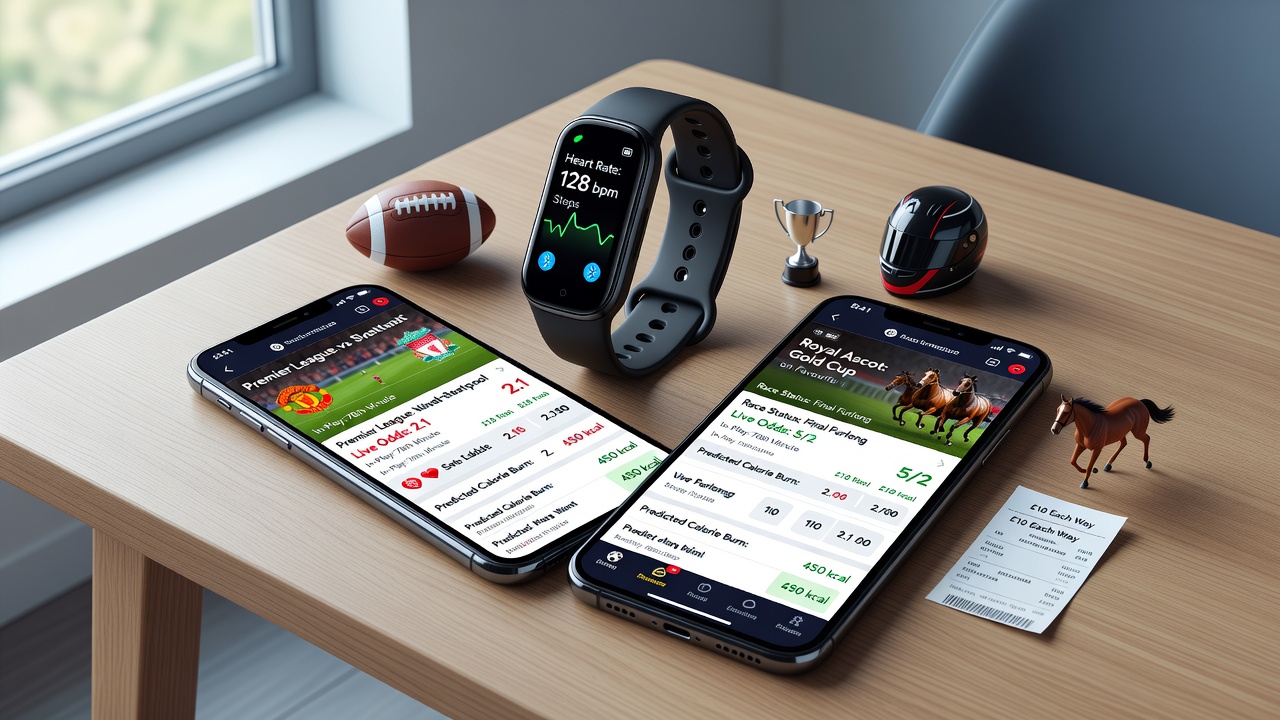 Developers have integrated fitness trackers into mobile betting platforms across the UK, allowing users to connect devices that monitor heart rate, step counts and other biometric signals directly to live odds for football matches and horse racing events. This connection pulls real-time data from wearables into app interfaces, where algorithms adjust displayed probabilities based on aggregated user metrics or player performance indicators derived from similar sensors. Several platforms launched these features in early 2026, with adoption accelerating through the spring season. The underlying technology relies on Bluetooth connections between devices such as smartwatches and smartphones, feeding information into betting applications through secure APIs. Once linked, the apps display custom dashboards that combine traditional odds with wearable inputs, for example showing elevated heart-rate trends among bettors during high-stakes moments in Premier League fixtures. Data transmission occurs in encrypted streams that meet standards set by industry groups including the Remote Gambling Association, ensuring compliance without exposing individual health records.
Football Applications on Mobile Platforms
Live football betting receives the most attention from these integrations because matches generate continuous streams of in-game events that pair naturally with biometric feedback. Observers note that apps update odds within seconds when wearable data from professional athletes or even spectator groups indicates shifts in physical exertion levels during matches. In July 2026, several operators expanded this capability to include team-wide fitness aggregates sourced from training sessions, allowing users to view how average player recovery metrics influence half-time markets.
Users connect their trackers once during account setup, after which the system pulls anonymised group statistics to refine live propositions such as next-goal timing or player performance specials. Research from the University of Las Vegas gaming laboratory indicates that similar systems tested in North American markets produced measurable changes in betting volume during peak periods, although UK implementations focus primarily on convenience rather than predictive modelling.
Racing Odds and Tracker Integration
Horse racing apps apply the same framework by linking jockey fitness data to ante-post and in-running markets. Trackers worn during morning workouts transmit stride length and recovery times, which platforms translate into updated odds displays for afternoon races at venues like Ascot or Newmarket. The process uses standardised data formats that allow seamless transfer between wearable manufacturers and betting operators, reducing latency to under three seconds on most 5G networks.
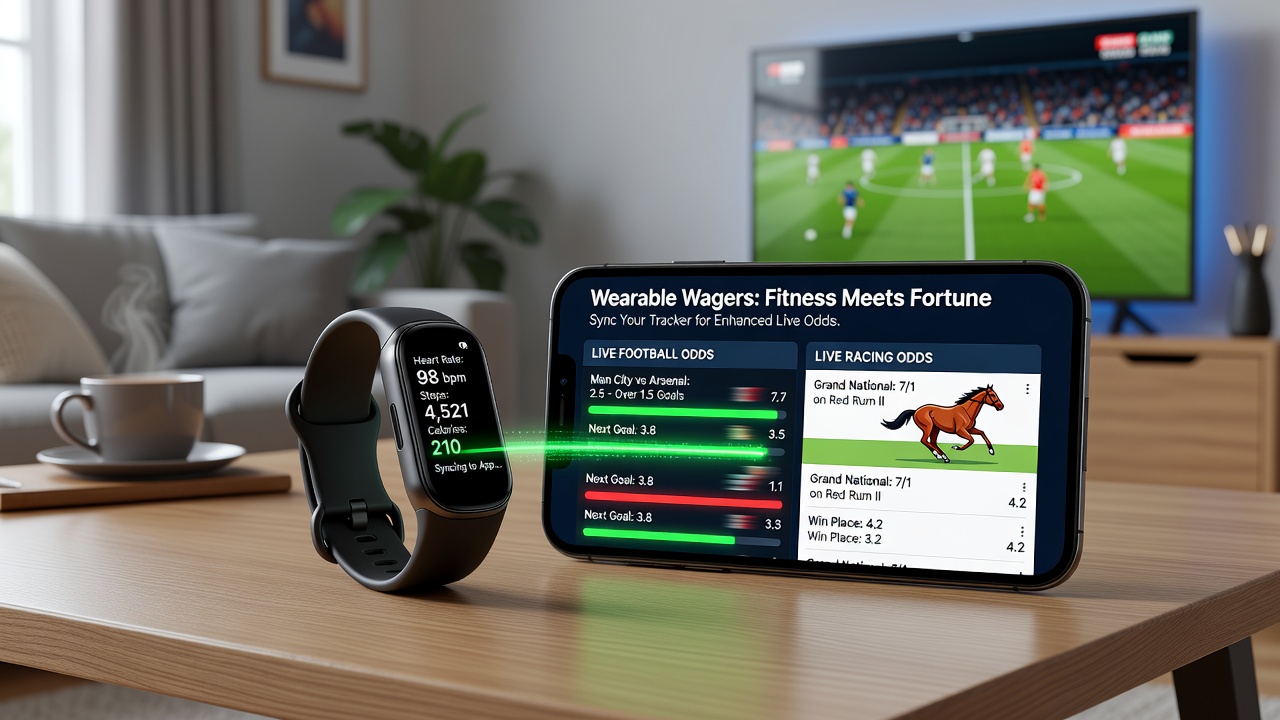
One notable implementation appeared on platforms handling both flat and jumps meetings, where users receive alerts when a rider's recorded heart-rate variability deviates from historical norms. Figures released by the Canadian Gaming Association in its 2025 industry review showed parallel adoption rates in regulated online environments, confirming that biometric syncing increases session duration across multiple jurisdictions without altering core wagering mechanics.
Technical and Security Considerations
Security protocols require explicit user consent for each data-sharing session, with automatic disconnection after periods of inactivity. Developers employ end-to-end encryption that aligns with guidelines from the European Gaming and Betting Association, preventing unauthorised access to health metrics while still permitting the odds engines to process anonymised aggregates. Battery optimisation features ensure trackers maintain connectivity throughout extended events such as evening football double-headers or multi-race cards.
Testing conducted by independent labs in Australia during the first half of 2026 verified that these integrations maintain accuracy even under variable network conditions, with less than 0.2 percent packet loss reported across major UK mobile carriers. The result is a stable environment where live odds remain synchronised with incoming biometric streams regardless of user location within the coverage area.
Conclusion
Integration of fitness trackers with live football and racing odds continues to expand on UK mobile apps through 2026, driven by technical improvements in data handling and regulatory frameworks established by bodies outside the immediate UK market. These systems deliver combined views of traditional probabilities and biometric context while preserving user control over personal information. Continued refinement of API standards and encryption methods supports further growth without compromising existing market structures.