Wallet Integration Strategies That Streamline Real-Time Wagers on Both Turf and Pitch Events Through UK Applications
 Applications across the United Kingdom have adopted wallet integration methods that connect payment systems directly to live betting platforms, allowing users to place wagers on turf events such as horse racing and pitch events including football matches without leaving the app interface. These approaches rely on API connections between digital wallets and betting software, which process transactions in seconds rather than minutes. Data from industry reports shows that such integrations reduce deposit times by up to 70 percent during peak event periods, while withdrawal confirmations occur almost instantly once bets settle. Developers focus on tokenization techniques where user payment details remain encrypted on secure servers, and temporary tokens handle each transaction. This method supports both Android and iOS environments common in UK devices. Observers note that apps achieve faster updates during major fixtures by caching wallet balances locally, then syncing with central servers only after confirmation. In June 2026, several platforms reported handling record volumes of live bets on events like the Royal Ascot races and Premier League matches through these streamlined connections.
Core Technical Approaches for Seamless Funding
Wallet providers supply software development kits that betting companies embed into their applications, enabling direct calls to payment processors without redirecting users to external sites. These kits support multiple currencies and handle conversion rates automatically when international users participate. Research indicates that multi-layer authentication combines biometric checks with one-time passwords sent via SMS, which maintains security while keeping the flow uninterrupted for real-time decisions on odds.
Load balancing servers distribute transaction requests across regional data centers, preventing delays when thousands of bettors fund accounts simultaneously during a single race or match. Applications also incorporate fallback protocols that switch to alternative wallets if the primary connection experiences temporary issues. Experts have observed that these redundancies prove essential during high-stakes periods, such as championship finals or festival meetings where betting activity spikes sharply.
Adapting Integrations for Turf and Pitch Specifics
Turf events often feature rapid odds changes in the minutes before a race starts, so wallet systems prioritize instant deposit confirmations to let users capitalize on shifting markets. Applications link wallet balances to in-play betting engines that update every few seconds, ensuring funds appear available without manual refresh. Case examples from operators show that integrated systems cut failed transaction rates by connecting directly to banking networks that approve micro-payments common in accumulators.
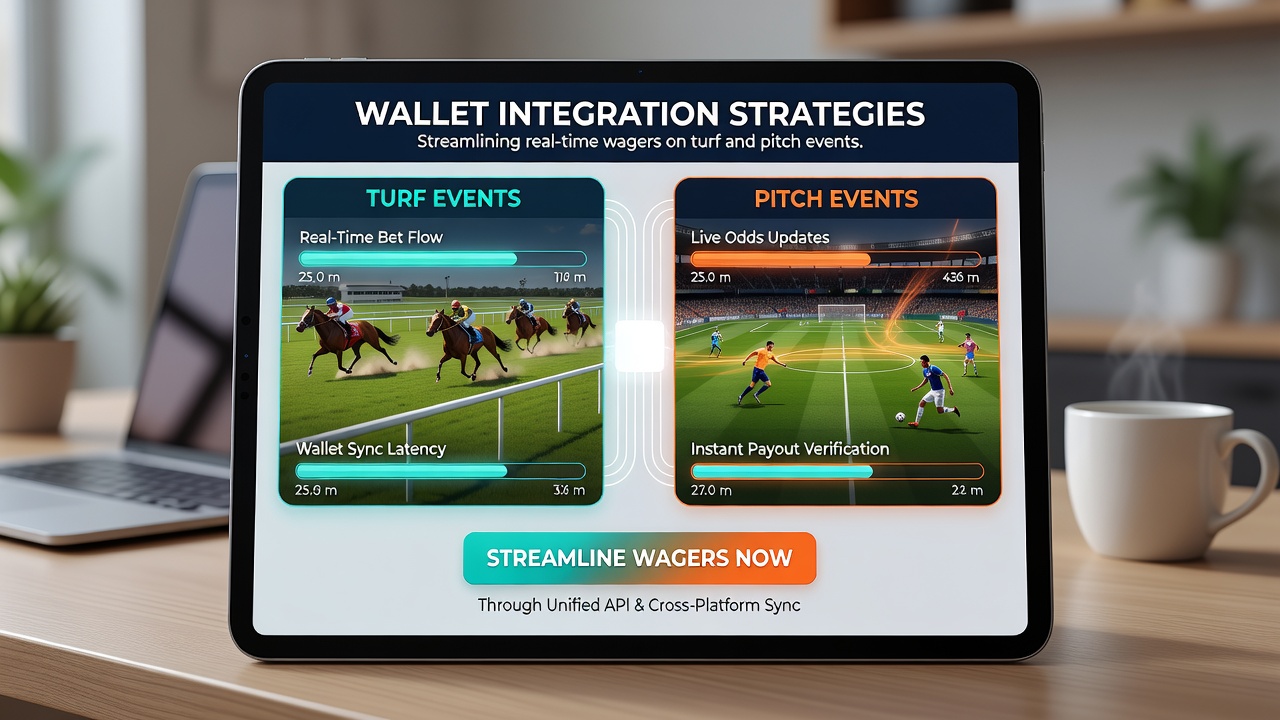 Pitch events demand similar speed but with added layers for in-game adjustments, where bettors might move from pre-match stakes to live propositions within the same session. Integration strategies here include session persistence that retains wallet authentication across multiple bet types, avoiding repeated logins. Data shows that apps using these persistent connections see higher completion rates for complex wagers involving both football and racing markets on the same platform.
Security Protocols and Cross-Platform Compatibility
Encryption standards such as AES-256 protect data flows between wallets and betting servers, while regular audits verify compliance with broader financial regulations outside direct gambling oversight. Developers implement sandbox testing environments that simulate live event conditions, allowing teams to identify bottlenecks before deployment. Applications built for UK users often incorporate region-specific features like support for Faster Payments Service, which accelerates bank-linked wallet top-ups during evening matches or afternoon races.
Compatibility extends to emerging wallet types including those tied to wearable devices, where users authorize bets through quick taps rather than full app navigation. Studies from the European Gaming and Betting Association highlight how standardized APIs across providers reduce development time for new integrations by 40 percent. Observers note that this standardization benefits smaller operators seeking to compete with established platforms during busy 2026 schedules.
Performance Monitoring and Continuous Updates
Analytics dashboards track metrics such as average transaction latency and success rates segmented by event type, feeding data back into algorithm refinements. When patterns emerge, such as slower processing during certain time zones, teams adjust server allocations accordingly. Applications also push silent updates that enhance wallet compatibility without requiring user intervention, maintaining smooth experiences across turf and pitch markets alike.
Conclusion
Wallet integration continues to evolve through focused technical refinements that address the unique demands of real-time betting on both turf and pitch events. These strategies emphasize speed, security, and compatibility, resulting in applications that handle increased volumes efficiently. As platforms refine their connections further, users gain consistent access to funding options that align with the pace of live UK sports and racing markets.