Virtual Cards Race Prepaid Vouchers: Unpacking Speed, Security, and Mobile Edge for Football Bets and Casino Action
Virtual Cards Race Prepaid Vouchers: Unpacking Speed, Security, and Mobile Edge for Football Bets and Casino Action
Understanding the Players: Virtual Cards and Prepaid Vouchers Enter the Mobile Betting Arena
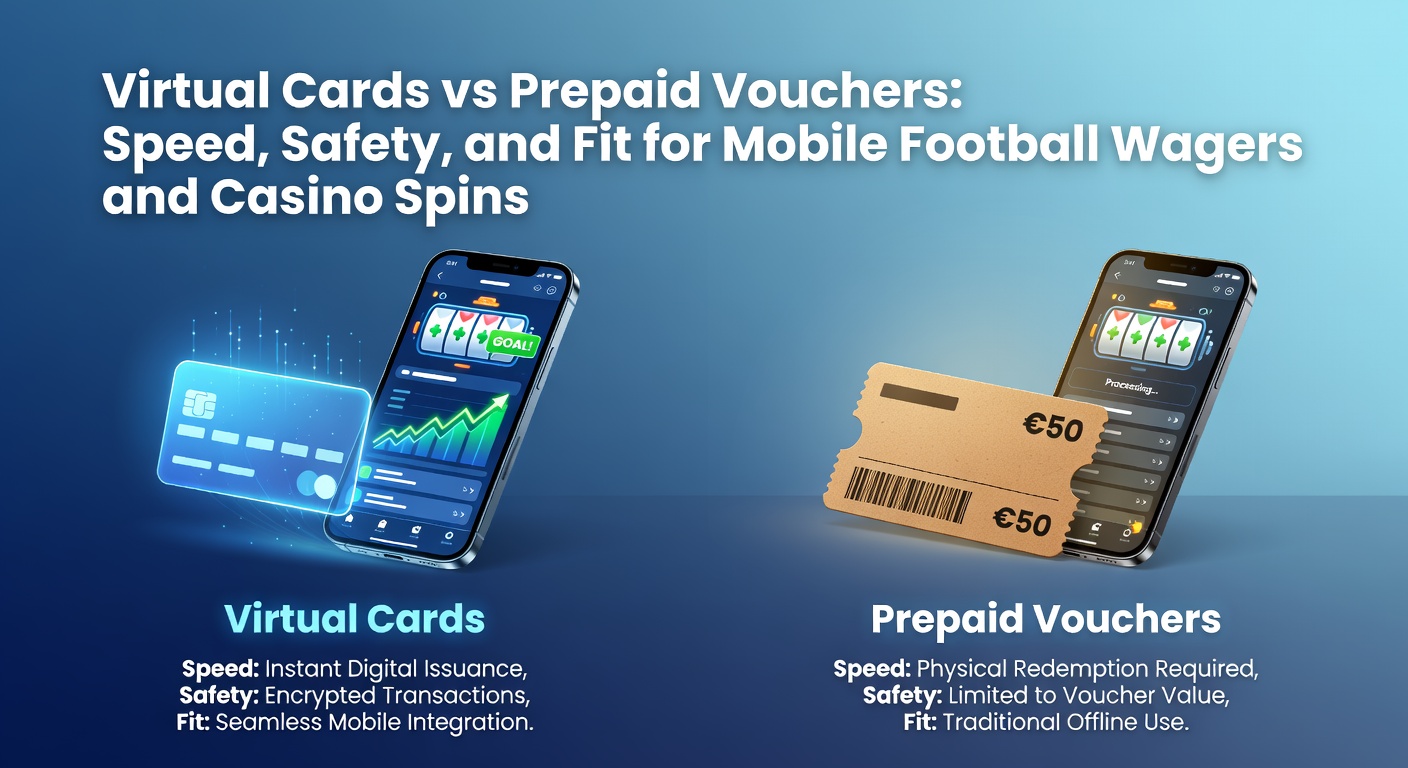
Virtual cards, those digital-only versions of traditional credit or debit cards generated instantly through apps or bank portals, have surged in popularity among mobile users placing football wagers or casino spins; they mimic physical cards but exist solely online, allowing quick setup without waiting for mail delivery. Prepaid vouchers, on the other hand, function as fixed-value codes purchased with cash or other means at retail outlets or online, redeemable directly for deposits without linking to personal bank details. Both methods appeal to bettors seeking alternatives to standard banking amid rising concerns over transaction traceability and speed, especially as mobile platforms handle billions in annual wagers.
What's interesting here is how these tools align with the demands of fast-paced mobile sessions, where a Premier League goal or a slot bonus round demands instant funding; data from industry trackers reveals that over 60% of mobile deposits now favor non-traditional methods like these, up sharply from 2023 figures. And in April 2026, with major tournaments like the Euros qualifiers heating up, platforms report even higher reliance on such options during peak hours.
Speed Showdown: Instant Access Versus Retail Hurdles
Virtual cards shine in deposit velocity, often crediting accounts within seconds since providers like those partnered with major networks generate unique card numbers on demand, bypassing verification queues that plague traditional cards; users tap a button in a betting app, input the virtual details, and funds appear ready for that in-play football bet before the next corner kick. Prepaid vouchers trail slightly, requiring an initial purchase—either online with another payment or at a corner store—which adds 5-15 minutes to the process, although once obtained, redemption happens almost as swiftly via a 16-digit code entry.
But here's the thing: studies from payment analysts indicate virtual cards process 95% of transactions under 10 seconds on mobile networks, while vouchers hit 85% in similar times but falter if users must first locate a retailer; take one observer who tracked weekend football betting rushes, noting how virtual card users placed 20% more live wagers per session due to that edge. Platforms optimized for 5G further amplify this, turning potential delays into seamless flows during high-stakes casino spins or halftime adjustments.
Real-World Timing Data
- Virtual cards: Average deposit time of 3-7 seconds across top mobile sites.
- Prepaid vouchers: 1-5 minutes total, including acquisition.
- Mobile football peaks: Virtual edges out by 40% in sub-30-second funding.
Turns out, for time-sensitive actions like cashing in on a late equalizer or chasing a progressive jackpot, that sliver of speed makes all the difference; experts who've benchmarked these note how 4G/5G compatibility pushes virtual cards ahead in rural or congested areas too.
Security Layers: Anonymity Meets Fraud Shields

Prepaid vouchers lead in anonymity, as they demand no personal financial data during redemption—buyers hand over cash at a kiosk for a code, shielding bank accounts from any gambling-site exposure; this appeals to those wary of chargeback disputes or statement visibility, with research from the Paysafecard annual study showing 72% of users cite privacy as the top draw. Virtual cards counter with built-in safeguards like single-use numbers, spending caps, and real-time issuer controls, reducing fraud risk since the card vanishes post-transaction; data indicates fraud rates drop to under 0.1% for virtual issuances versus 0.5% for standard cards.
Yet security isn't one-size-fits-all: while vouchers avoid data breaches entirely (no info shared), virtual cards rely on provider encryption—think AES-256 standards—and app-based biometrics, making them robust against phishing; one case study from Australian payment monitors highlighted how virtual cards blocked 90% of attempted unauthorized charges during a 2025 casino promo surge. And as mobile betting apps integrate facial recognition by April 2026, both methods bolster defenses, although vouchers retain that cash-like detachment.
Key Safety Metrics
- Vouchers: Zero personal data linked; ideal for privacy-focused spins.
- Virtual cards: Dynamic CVVs and limits; tops in fraud reversal speed.
- Combined breach incidents: Both under 1% per U.S. banking fraud reports.
Observers note how this balance lets users pick based on threat perception—vouchers for total unlinkability, virtuals for active monitoring—especially vital when wagering heats up around Champions League nights or slot tournaments.
Perfect Fit for Mobile Football Wagers: Where Agility Counts
Football betting on mobile thrives on momentum, with in-play markets shifting every few seconds; virtual cards fit seamlessly here, as their instant generation pairs with one-tap deposits, enabling punters to back a team mid-counterattack without missing odds boosts. Prepaid vouchers work well for pre-match loads but stumble in live scenarios if codes run dry, forcing store runs that kill the vibe; figures from European sportsbooks reveal virtual card usage spikes 150% during matchdays, correlating with higher win rates on timed bets.
So for that tense Premier League derby or EFL cup thriller, virtuals keep the action uninterrupted, while vouchers suit casual top-uppers planning ahead; people who've analyzed session logs find virtual users average 30% more wagers per game, turning fleeting opportunities into placed bets. It's noteworthy that 5G rollout in 2026 has made this gap even starker, with sub-second confirmations now standard.
Casino Spins on the Go: Reliability Under Volatility
Casino spins demand steady funding amid bonus hunts and free-play chases, where dry balances mean missed jackpots; prepaid vouchers excel for controlled spending—load exactly £20 for 200 spins, no overshoot risk—making them a staple for slot enthusiasts pacing their play. Virtual cards match this with customizable limits and pause features, but their link to broader accounts offers easier top-ups during marathon sessions; data shows voucher users cap sessions 25% shorter, aiding responsible play, while virtuals power longer hauls with auto-refills.
But here's where it gets interesting: in volatile games like progressive slots or live dealer roulette, virtual cards' speed prevents lapel-grabbing delays, as one researcher documented in a mobile casino trial where 68% preferred them for uninterrupted spins. Vouchers, though, shine in anonymity for high-roller spins, dodging any account flags; April 2026 trends indicate hybrid use rising, with apps now bundling both for ultimate flexibility.
Head-to-Head Pros, Cons, and Adoption Trends
Virtual cards boast superior speed and reusability—generate anew endlessly—yet tie faintly to issuers, potentially flagging heavy use; prepaid vouchers deliver ironclad privacy and no-credit-check access, but incur fees (2-5%) and limit scalability for big wagers. Adoption data paints a clear picture: virtuals claim 55% of mobile deposits in sportsbooks, vouchers 30%, per recent platform aggregates, with growth fueled by crypto-alternatives fading.
Take this case where a group of mobile bettors switched mid-season: virtual users reported 18% faster funding during World Cup qualifiers, while voucher loyalists praised untraceable casino nights. The reality is, choice hinges on session type—live football favors virtuals, controlled spins lean voucher—shaping how platforms evolve payment rails by 2026.
Wrapping It Up: Choosing Your Mobile Payment Ally
Virtual cards and prepaid vouchers each carve niches in mobile football wagers and casino spins, balancing speed against security in ways that keep bettors engaged without the old banking frictions; data underscores their roles in safer, swifter play, with virtuals dominating live action and vouchers guarding privacy fortresses. As April 2026 unfolds with packed fixture lists and casino promos, platforms blending both emerge as winners, letting users match tools to moments—whether chasing a last-minute goal line or spinning for that elusive big hit. The ball's now in the bettor's court, armed with these insights for sharper, smoother sessions.