Smartphone Wallets Shift Real-Time Betting Patterns at British Horse Racing Tracks
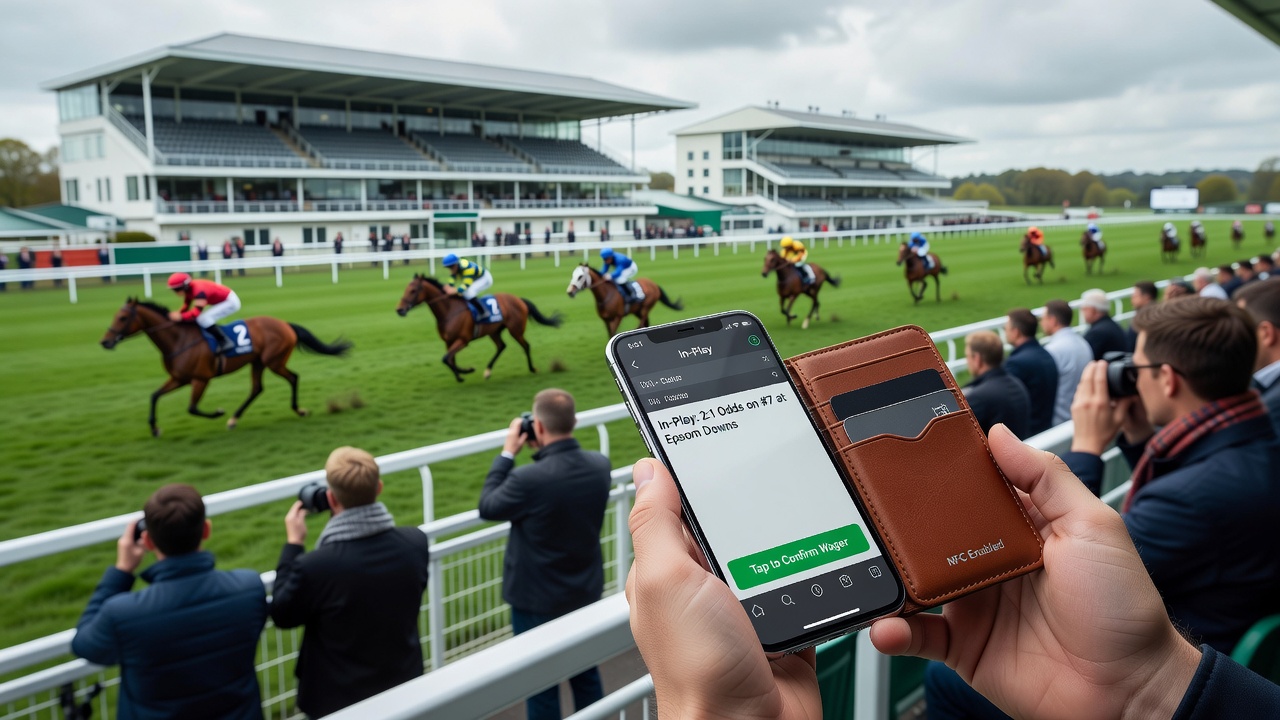
Smartphone wallets have integrated into daily routines across Britain, and their presence now extends directly into live betting environments at horse racing venues where quick decisions determine outcomes during races. Observers note that funding methods once reliant on cash or card details now operate through stored digital credentials that complete transactions in seconds while events unfold on the track. This change aligns with broader adoption trends that researchers documented in multiple markets, and it connects to the specific demands of in-play wagering where timing matters more than in pre-race markets.
Mechanics of Digital Wallet Integration at Racecourses
Operators at circuits such as Ascot, Newmarket, and York have updated their mobile platforms to accept payments from services including Apple Pay and Google Pay alongside established options. Bettors load funds once through their devices then authorize each wager with a biometric prompt or passcode, which eliminates repeated entry of card numbers during a meeting. Data from industry reports shows that transaction completion times dropped significantly once these methods became standard, and this reduction supports the rapid placement of bets between races or even mid-race when conditions shift. Those who manage betting operations report that the infrastructure handles higher volumes without additional friction because wallet providers already verify user accounts in advance.
Changes in In-Play Wagering Volume and Speed
In-play markets on British racing allow wagers on outcomes like the next fence leader or finishing positions while horses run, and smartphone wallets remove delays that previously interrupted these sequences. Figures reveal that sessions involving multiple in-race adjustments increased after wallet options expanded, since users maintain continuous access to balances without leaving the app interface. A study published by Gambling Research Australia examined similar mobile payment patterns in live sports and found that seamless funding correlated with extended engagement periods across events, a pattern that operators in the UK observed as well during the 2025 season and into July 2026 meetings. This continuity allows bettors to respond to live odds movements that update every few seconds on digital boards.
Regional Patterns Across Major Circuits
Northern tracks including Haydock Park and Musselburgh recorded steady growth in wallet-funded in-play activity through early 2026, while southern venues showed comparable uptake during festival periods. The consistency across locations suggests that device compatibility rather than local demographics drives the shift, because most modern smartphones support at least one major wallet service. External data from the European Gaming and Betting Association indicates that regions with high smartphone penetration experienced parallel increases in live betting turnover when digital payments reached critical adoption thresholds. British circuits reflect this trend because attendees carry compatible devices and encounter on-site signage that promotes wallet use during meetings.
Security Features and User Verification Processes
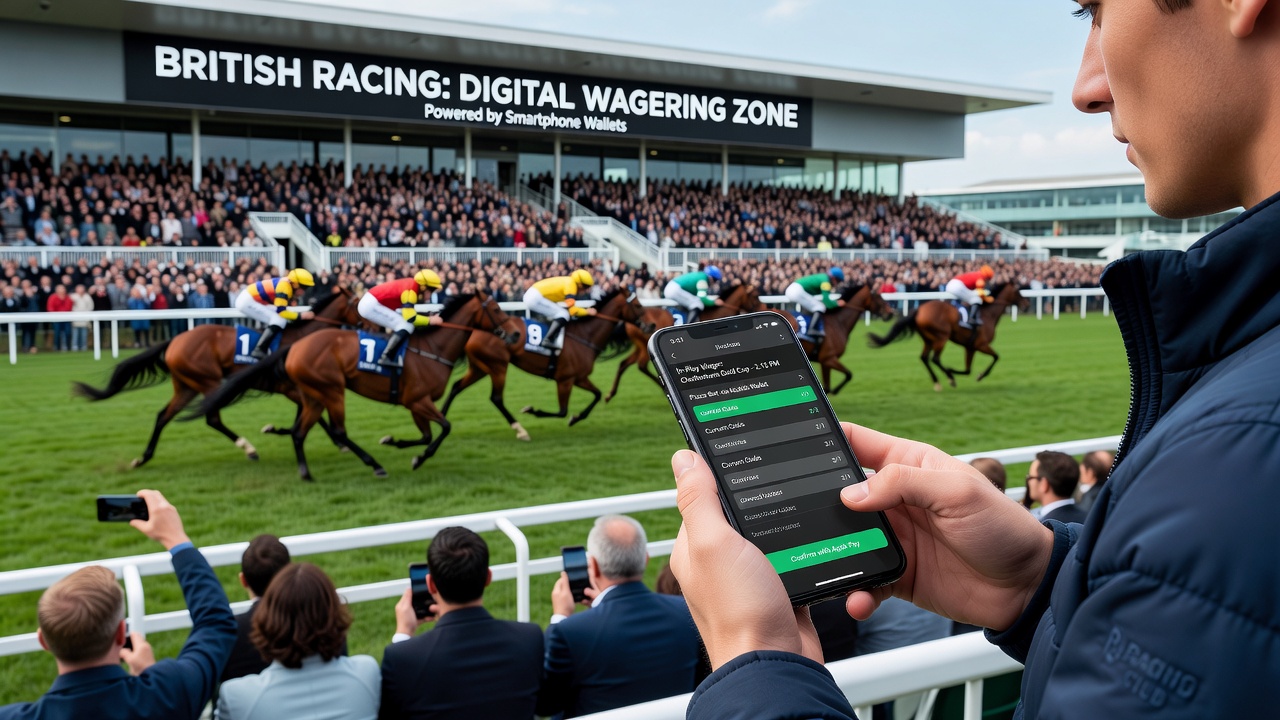
Wallet systems incorporate tokenization that replaces actual card details with unique codes for each transaction, which reduces exposure compared with manual entry methods. Operators combine these layers with existing account verification steps, so users who already cleared identity checks gain immediate access to funded betting without further delays. Research from academic sources on fintech adoption shows that perceived security improvements encourage repeated use among those who previously hesitated with mobile transactions. British racing platforms apply the same standards, and updates in July 2026 further streamlined biometric confirmation flows to align with device operating system changes.
Operational Adjustments by Bookmakers and Venues
Bookmaking firms adjusted backend systems to reconcile wallet payments in real time, which supports accurate balance displays even when multiple in-play bets process within a single race. Venues added Wi-Fi capacity and signal boosters around betting rings to maintain connectivity during peak attendance, since interrupted service would counteract the speed advantage of digital methods. Staff training programs now include guidance on assisting users who encounter device-specific issues, though most transactions complete without intervention. These modifications reflect measured responses to usage data rather than speculative forecasts.
Conclusion
Smartphone wallets continue to embed themselves into the infrastructure of British horse racing betting by supporting faster authorization during live events. Patterns observed through 2026 demonstrate measurable shifts in how in-play wagers occur at circuits nationwide, driven by existing technology adoption and platform updates. The developments remain grounded in transaction efficiency and security protocols that multiple independent sources have tracked across related industries.