Payment Flexibility Unlocks New Patterns in Mobile Live Betting for Soccer and Equine Events
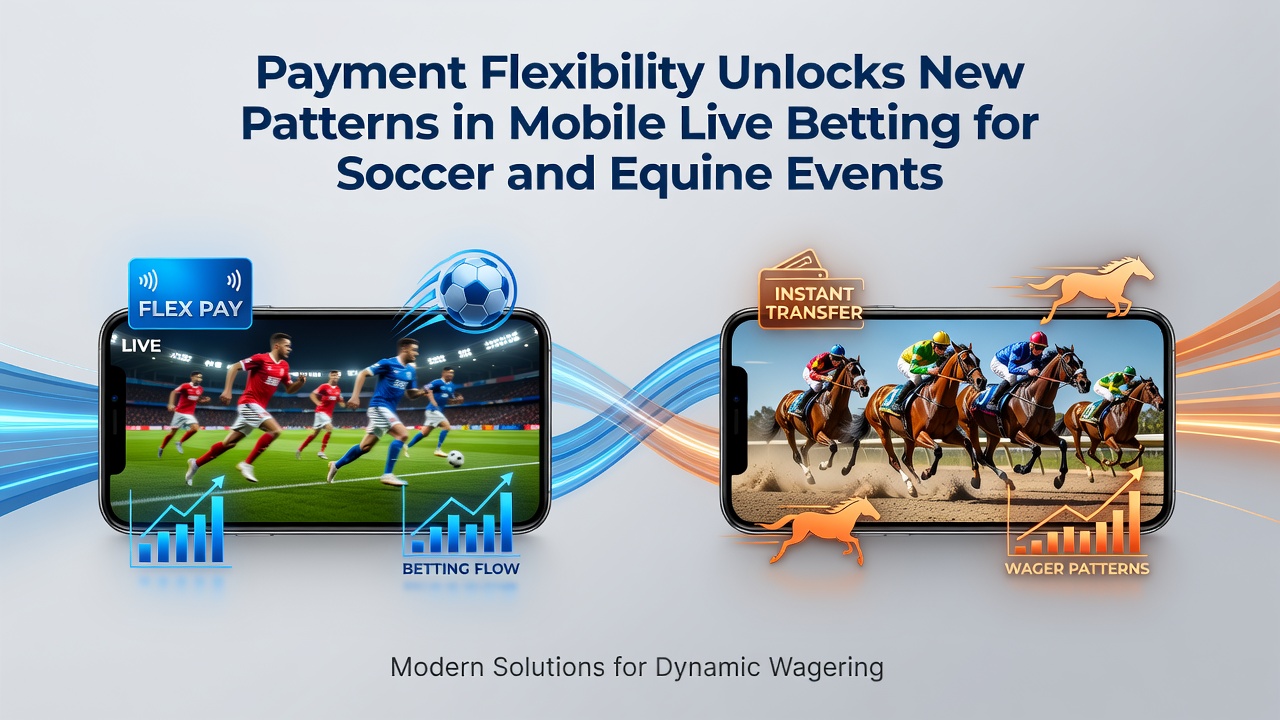
Payment options have expanded across mobile platforms in ways that reshape how live betting unfolds during soccer matches and equine competitions, with data from industry reports showing increased transaction volumes tied to instant funding methods. Observers note that users now complete deposits and withdrawals through various channels including digital wallets and bank transfers, which integrate directly into betting apps without extended processing delays.
Shifting User Behaviors in Live Environments
Patterns emerge when bettors adjust stakes mid-event because payment flexibility removes traditional barriers that once slowed decision-making during fast-paced action, and researchers from academic institutions highlight how seamless access to funds correlates with higher engagement rates in both soccer and horse racing markets. Those who've tracked mobile usage statistics point out that events like major league soccer fixtures in June 2026 coincide with peaks in activity, as flexible systems allow quick responses to changing odds without interrupting the flow of play.
Integration with Real-Time Data Feeds
Apps combine live odds updates with payment gateways in a single interface, which means participants can fund accounts instantly while following equine races or soccer sequences, and this setup supports micro-bets that adjust based on ongoing developments such as player substitutions or track conditions. Evidence from market analyses indicates these features appear more frequently in regions where regulatory frameworks encourage innovation in financial services linked to gaming.
One study from a Canadian research center revealed that bettors using multiple payment types during live sessions tend to explore niche markets like exacta wagers in horse racing or corner counts in soccer, patterns that build when transaction friction decreases. And yet the same data shows these trends hold steady across different time zones because mobile access remains constant.
Comparative Trends Across Event Types
Soccer live betting often features rapid goal-line adjustments that pair well with instant payment confirmations, whereas equine events demand attention to variable factors like pace and positioning where users might add funds between races without leaving the app. What's interesting is how both categories see similar upticks in volume when payment options expand to include region-specific methods, according to figures from the Australian Communications and Media Authority on digital transaction growth in entertainment sectors.
Take one analysis that examined transaction logs from multiple platforms and found that equine bettors who switched between card and wallet options during evening race cards recorded more frequent position changes in their active bets. Meanwhile soccer enthusiasts in similar setups showed patterns of chaining small live wagers across halves, supported by the same payment fluidity that keeps balances updated without lag.
Regulatory and Market Influences
Authorities in various jurisdictions monitor these developments through quarterly reports that track payment method adoption, and data from the Nevada Gaming Control Board illustrates how licensed operators incorporate flexible systems to maintain compliance while serving mobile users. This approach allows patterns to develop organically as participants test different funding routes during high-stakes periods like international tournaments scheduled for mid-2026.
Industry organizations such as the European Gaming and Betting Association compile statistics showing that cross-border payment options contribute to sustained activity levels, especially when users engage with both soccer and equine products on the same device. Those who've reviewed these compilations note correlations between payment variety and the duration of live sessions, though exact causation remains under further examination in ongoing projects.
Future Trajectories Based on Current Data
Projections from research papers suggest continued evolution in how payment flexibility intersects with event-specific betting, particularly as mobile networks improve latency for real-time updates during soccer and horse racing broadcasts. Observers track these shifts through aggregated figures rather than isolated incidents, revealing consistent growth in markets that support instant reconciliation of wins and losses.
But here's the thing: patterns also reflect broader economic factors where users manage smaller, repeated transactions across events, and this holds for both team sports and individual equine competitions without requiring separate accounts for each. A link to detailed transaction studies appears in reports from the American Gaming Association, which outlines parallel developments in North American markets.
Conclusion
Payment flexibility continues to influence mobile live betting structures for soccer and equine events through measurable changes in user timing and market selection, with evidence drawn from regulatory bodies and academic sources indicating sustained integration of these systems. Data shows these dynamics play out across seasons, including periods around June 2026, as platforms refine connections between funding methods and live interfaces. Additional context comes from Australian regulatory summaries that document similar transaction behaviors in comparable entertainment categories.