Loyalty Programs Shaping Retention Dynamics in Britain's Digital Gambling Market
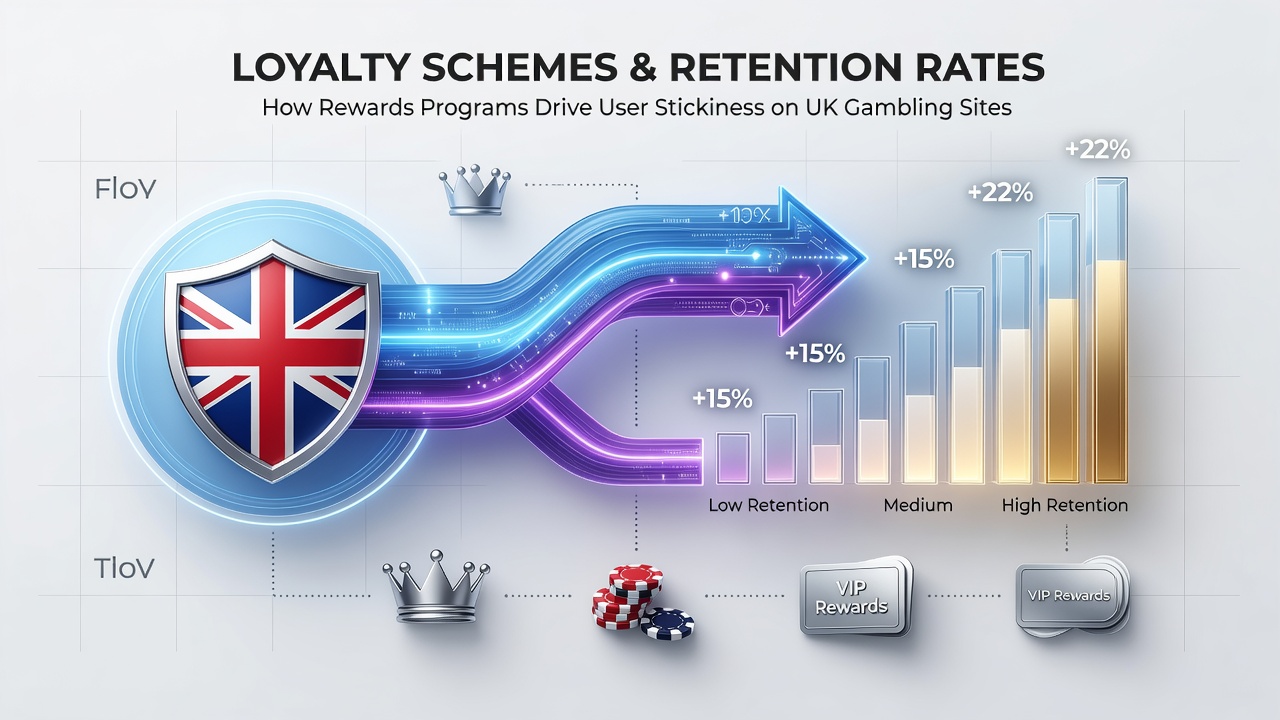
British online gambling platforms deploy loyalty schemes as structured systems that award points for wagers placed, time spent on site, and deposits made, while these points convert into bonuses, free spins, cashback percentages, and access to higher membership tiers that unlock exclusive promotions and personalized support. Observers note that such programs operate across betting exchanges, casino sites, and sportsbooks, creating ongoing incentives that encourage players to consolidate activity on one platform rather than switching between operators. Data indicates retention rates rise when users accumulate rewards consistently, as the perceived value of staying active outweighs teh effort required to start fresh elsewhere.
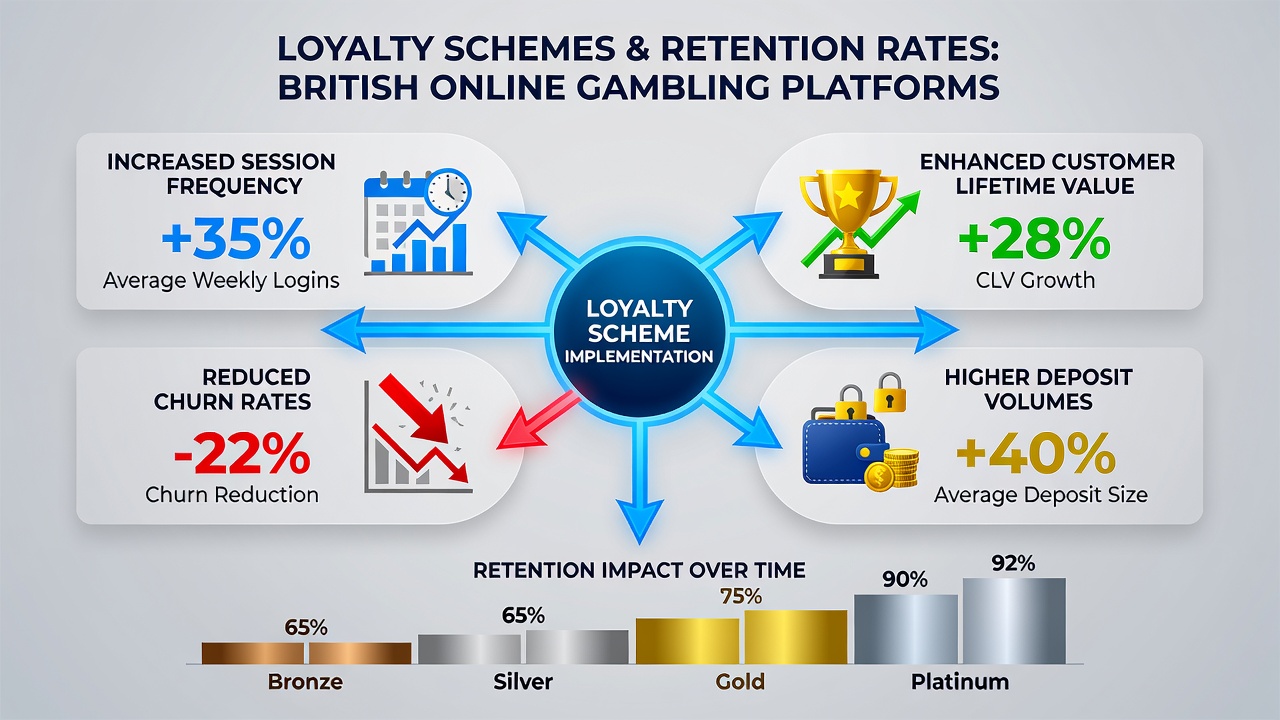
Operators structure these schemes around progressive tiers, where initial levels grant basic multipliers on bets and advanced stages deliver higher cashback rates along with event invitations or faster withdrawal processing. Research from the European Gaming and Betting Association shows that platforms maintaining at least four distinct tiers experience measurable differences in average session frequency compared to those with simpler flat reward models. Players who reach mid-tier status often maintain accounts active for longer periods because the next reward threshold sits within reachable distance through regular play patterns.
Mechanics Behind Point Accumulation and Tier Progression
Most schemes calculate points based on a percentage of stakes wagered, with sports betting typically earning lower rates than slots or table games due to differing house edges, while bonus funds contributed to wagers sometimes receive reduced point values to control liability. Users track progress through account dashboards that display current balances, upcoming rewards, and time-limited challenges that multiply earnings during promotional windows. Those who study retention patterns find that clear visibility into progress correlates with sustained engagement, because players monitor their standing and adjust betting volumes to hit milestones before expiry dates.
Retention Patterns Linked to Reward Delivery
Retention metrics track the percentage of users who remain active over defined intervals such as thirty or ninety days after initial registration. Loyalty schemes influence these figures by delivering incremental rewards that interrupt potential churn periods, particularly when cashback arrives automatically after loss thresholds or when free bets credit accounts following qualifying activity. Figures from industry analyses reveal that users enrolled in tiered programs show higher repeat deposit rates than non-members, especially when personalized offers align with individual betting histories rather than generic promotions. The delivery timing matters, as immediate rewards following significant activity reinforce the connection between continued play and tangible benefits.
Platforms also integrate milestone bonuses that activate after cumulative wagering targets, creating checkpoints that keep accounts engaged across weeks or months. One operator reported that participants completing seasonal challenges maintained login consistency at rates notably above baseline averages, because the structure provided short-term goals within longer loyalty journeys. Observers note that combining these milestones with tier maintenance requirements prevents dormancy, as players lose status if activity drops below set thresholds for extended periods.
Comparative Data Across Platform Types
Sports-focused sites tend to emphasize free bets and accumulator insurance within loyalty frameworks, whereas casino-oriented platforms prioritize free spins and loyalty cashback on slots play. Retention comparisons indicate that hybrid operators offering unified schemes across both verticals retain users who diversify their activity types more effectively than single-focus competitors. Reports compiled in early 2026 highlight that schemes incorporating cross-product point earning see elevated multi-game participation, which in turn supports broader account longevity. June 2026 updates from sector trackers noted continued growth in tiered reward uptake coinciding with major sporting calendars, where football and horse racing promotions amplified point accrual opportunities.
Academic examinations of loyalty mechanics, including work referenced through the Australian Gambling Research Centre, demonstrate that reward frequency and perceived fairness affect churn probabilities more than absolute reward size alone. British platforms applying similar principles adjust point earning rates seasonally to match user behavior shifts, maintaining engagement when external factors such as economic conditions influence spending patterns. Those managing retention programs observe that transparency around how points convert to value reduces frustration and supports longer account lifespans.
External Factors Interacting with Loyalty Incentives
Regulatory changes and payment method availability also shape how effectively loyalty schemes retain users. Faster payout options paired with reward redemptions allow players to reinvest winnings without friction, while slower processes can diminish the motivational impact of earned bonuses. Market data compiled through 2026 shows platforms that streamlined reward claiming alongside popular e-wallet integrations recorded steadier month-on-month retention compared to those with more cumbersome redemption flows. The alignment between reward accessibility and overall site usability therefore amplifies the retention contribution of loyalty structures.
Conclusion
Loyalty schemes on British online gambling platforms function through point systems, tiered benefits, and targeted rewards that directly correlate with measurable retention improvements across different operator types. Evidence from industry reports and academic sources confirms that structured progression mechanics and timely reward delivery sustain user activity levels when integrated thoughtfully with platform features. Operators continue refining these programs to match evolving player behaviors, ensuring that retention strategies remain responsive to both competitive pressures and user expectations through mid-2026 and beyond.