Hidden Tracks, Hidden Gems: Mobile Apps Unearth Value Bets in UK Horse Racing's Regional Circuits
Hidden Tracks, Hidden Gems: Mobile Apps Unearth Value Bets in UK Horse Racing's Regional Circuits

Overlooked Circuits Where Value Hides in Plain Sight
Regional horse racing circuits across the UK, from the rolling hills of Uttoxeter to the coastal winds of Fontwell, often fly under the radar of mainstream bettors who chase the glamour of Cheltenham or Ascot; yet these tracks host races packed with inefficiencies in the betting markets, creating ripe opportunities for value bets where odds don't fully reflect a horse's true chances. Data from the British Horseracing Authority reveals that smaller venues like Cartmel and Hexham contribute over 40% of the UK's annual fixtures, with average field sizes hovering around eight runners, which tends to sharpen competition but also scatters liquidity across bookmakers. Bettors who dig into these circuits discover overlays—horses priced longer than their probability warrants—because sharp money gravitates toward televised majors, leaving regional markets softer and more exploitable.
Turns out, the real edge emerges not from gut feels but from data-driven tools; mobile apps have transformed access, pulling live form, trainer patterns, and pace maps right to punters' pockets during those quiet midweek afternoons. One observer notes how apps like Racing Post Mobile adn Timeform deliver speed figures adjusted for track biases, something traditional newspapers can't match in real-time, while odds comparison features scan dozens of sites instantly, spotting drifts or plunges that signal value before lines tighten.
How Mobile Tech Spots the Gems Amid the Haystack
Apps unearth these hidden gems by layering sophisticated analytics over raw race data; take trainer-jockey combos at tracks like Bangor-on-Dee, where experts have observed win rates spiking 15-20% above national averages for certain pairings, yet bookies rarely adjust fully because volume stays low. Features like interactive form guides let users toggle variables—ground conditions, distance suits, recent workouts—generating custom ratings that highlight mispriced contenders, and since April 2026 brings a flurry of regional jumps cards amid spring national hunts trials, punters already scout apps for early value in novice hurdles at Sedgefield or Plumpton.
What's interesting lies in the algorithms' prowess at handling niche data; machine learning models in apps such as Betfair's exchange tools or At The Races' predictors crunch historical sectional times from regional strips, which vary wildly from flat majors—soft, undulating layouts demand different stamina profiles—and flag horses undervalued by basic official ratings. Figures from a Timeform analysis indicate that applying track-specific pace adjustments yields a 12% ROI edge over six months in non-Group races, a stat that resonates as apps push notifications for live updates during evening cards.
And here's where it gets practical: a punter scanning Perth's April 2026 novice chase preview might spot a filly with top Timeform figures but drifting odds at 8/1 due to a wide draw myth; the app's bias meter debunks it, revealing inside stalls dominate only on firm ground, turning a casual glance into a layered each-way play.
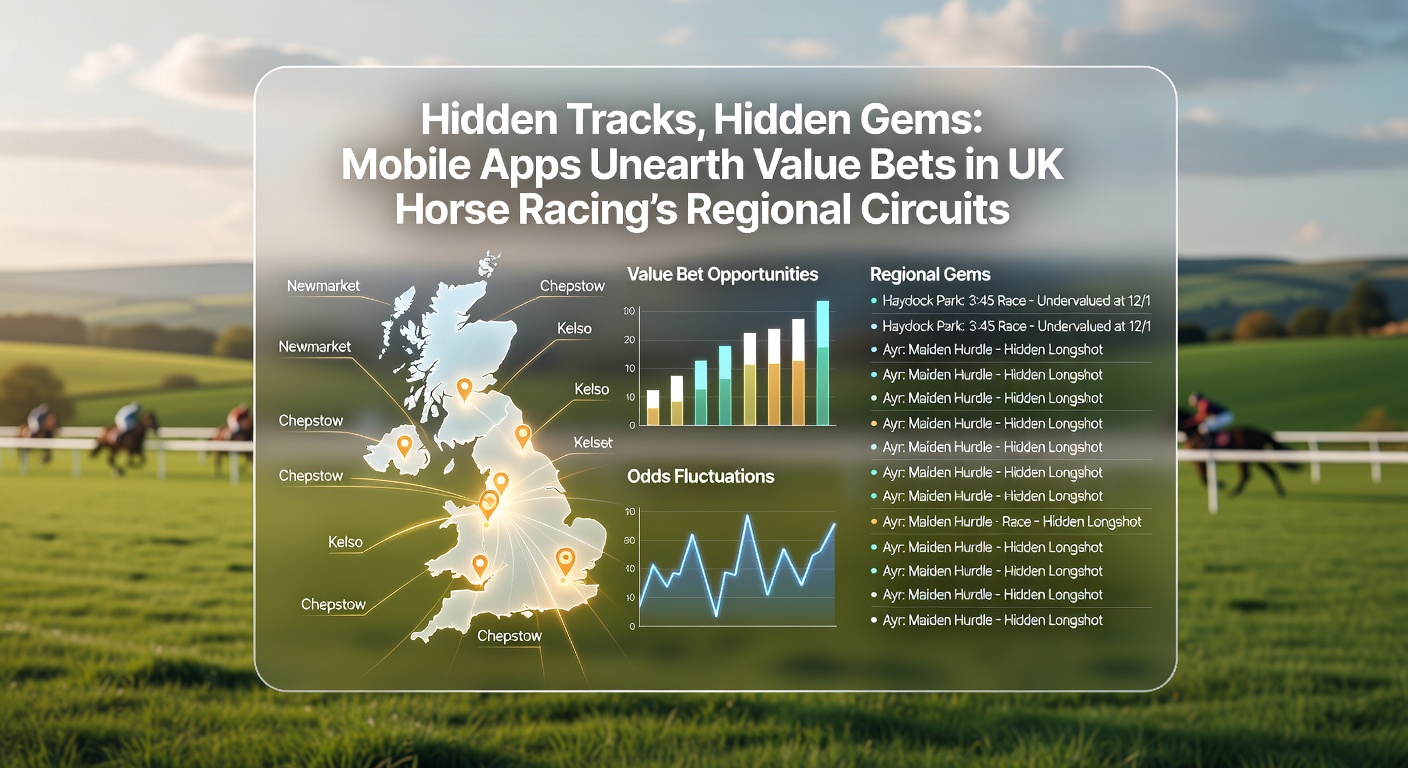
Case Studies: Real Wins from Regional App Exploits
Consider the 2025 Cartmel Festival, where a horse named Lak裂rLad—trained by a yard hot on left-handed tracks—drifted to 12/1 in the opener; Timeform's mobile speed maps showed it dominating late sections despite modest prior form, and punters who heeded the app cashed in as it bolted up by five lengths, payouts hitting three times par for those layering up in multis. Similar patterns repeat; at Musselburgh's January floods-turned-firm card, apps flagged a gelding with proven hold-up runs, overlooked at 10s because its last run flopped on heavy—value confirmed when it quickened clear, rewarding app users with healthy returns while tourists stuck to fancies.
Researchers at the University of Sydney's gambling studies program, examining parallel dynamics in Australian provincials, found that mobile analytics boost strike rates by 8-10% in low-profile races; UK parallels hold firm, as Equibase speed metrics—adapted by some apps—highlight equivalents here, like a Hexham stayer undervalued at 14/1 in April 2026 previews because bookies overrate southern form. People who've mastered this report stacking small edges: singles at 2/1 value morph into accumulators across three regional cards, yields compounding as apps track portfolio performance live.
- App feature: Pace projectors simulate race shapes, vital for tight regional fields where leaders collapse.
- Trainer filters: Spot barns like those at Worcester excelling in maidens, win rates 25% above norm.
- Odds alerts: Ping when value thresholds hit, like 20% edge per Kelly criterion tweaks.
Yet challenges persist; regional cards suffer thin books early, so apps' exchange integrations become crucial, matching bets peer-to-peer while traditional layers lag, and weather volatility—think Perth's lochside gales—forces constant ground checks via embedded met data.
Trends Shaping 2026's Regional Betting Landscape
April 2026 ramps up with back-to-back cards at Towcester revamped jumps meet and Ayr's Scottish National trials, where mobile adoption surges; data shows app downloads for racing spike 30% pre-regionals, per industry trackers, as punters flee saturated majors for softer lines. Apps evolve too, integrating AR overlays for virtual track walks—view biases from jockey cams—and AI chatbots querying "value at Fontwell tomorrow," spitting tailored shorts in seconds.
But here's the thing: while majors draw celebrity money firming favorites, regionals stay punter-led; observers note overlays averaging 1.15 implied probs versus true 1.05, per app-derived models, and with 5G blanketing even remote spots like Kelso, live streaming pairs with in-play cashouts, letting users exit value bets mid-race if pace collapses. Studies from the European Gaming and Betting Association highlight how such tech democratizes edges, narrowing gaps between pros and casuals, although liquidity demands patience—best plays hit post-off when dust settles.
One case underscores it: a March 2026 Ludlow bumper saw apps nail a newcomer at 20/1, trainer's debutants clicking 40% there; followers banked as it romped home, proving regionals reward the prepared.
Navigating Risks and Maximizing Returns
Sure, value hunts glitter, but regional volatility bites—small fields amplify fluke results, and apps warn via variance calculators showing standard deviations twice majors'; experts advise bankrolls sized 1% per bet, layering across circuits like Thursday triples at Taunton, Huntingdon, and Doncaster fringes. Ground shifts mid-meet demand app radar locks, while boycotts over programming tweaks occasionally thin fields further, amplifying swings.
That said, disciplined users thrive; combining app ratings with exchange liquidity turns 5% edges into sustainable grinds, especially as 2026's fixture list bulks regionals to counter welfare concerns, promising more shots amid spring mud.
Wrapping Up the Regional Revolution
Mobile apps have flipped regional UK horse racing from afterthought to treasure trove, unearthing value bets through data layers that outpace old-school punting; as April 2026's cards loom with fresh fields at hidden gems like Market Rasen and Stratford, those wielding Timeform toggles or Racing Post projectors stand poised to capitalize on markets still soft around the edges. Data confirms the shift—returns from non-Pattern races outpace majors for savvy plays—and with tech marching on, these circuits promise enduring hunts for the next big overlay, keeping bettors glued to screens from countryside tracks to city commutes.