Britain's Lesser-Known Racing Circuits Offer Fresh Opportunities for Mobile Bettors Seeking Value
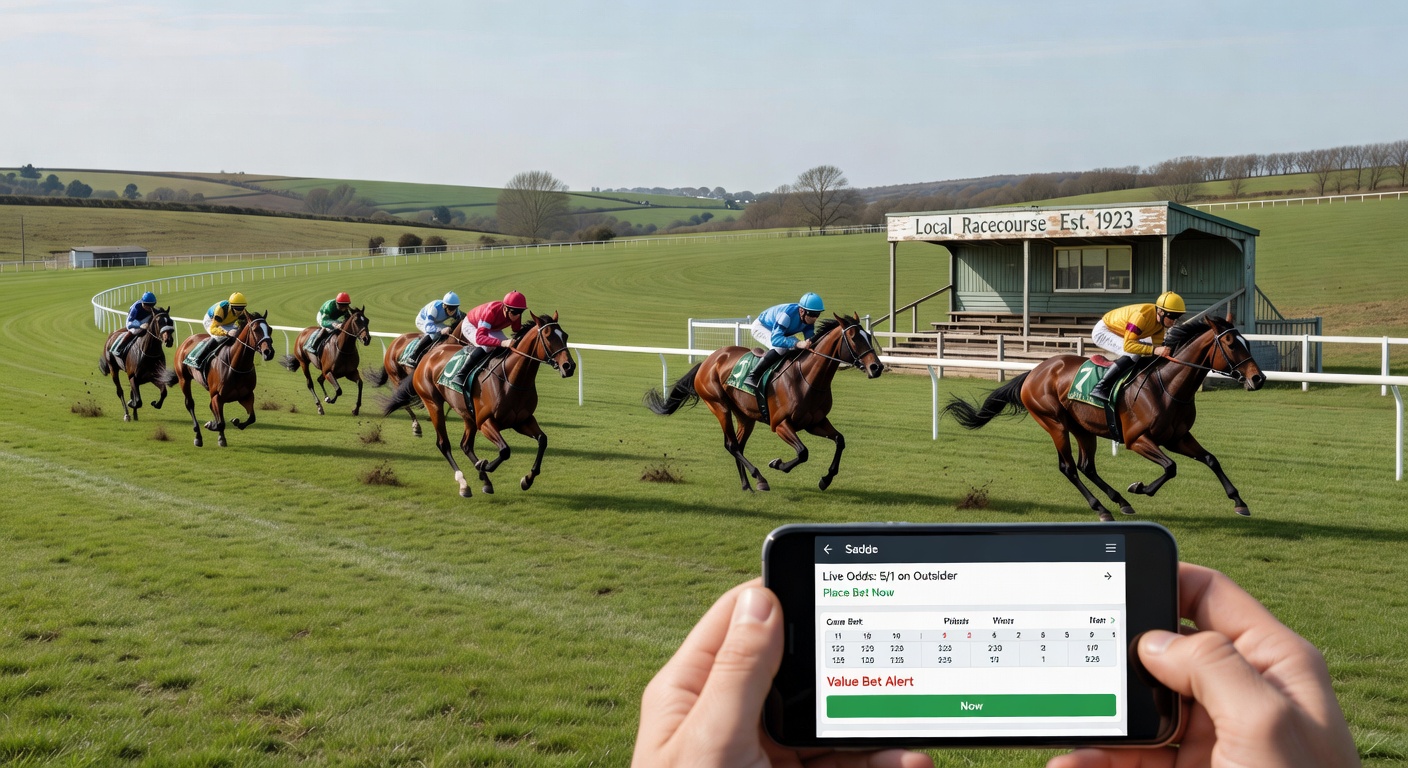
Britain's horse racing scene extends far beyond the high-profile venues that dominate national coverage, and regional circuits continue to draw attention from mobile bettors who track odds across less crowded markets. Tracks such as Fakenham, Hexham, and Perth host regular meetings that feature competitive fields yet receive lighter media focus, which often translates into pricing inefficiencies that apps can highlight for users scanning multiple bookmakers simultaneously. Data from industry reports shows that smaller venues accounted for roughly 18 percent of total UK racecourse fixtures in the 2025 season, a share that held steady into early 2026.
Regional Tracks Maintain Steady Fixture Lists
Meetings at these circuits follow established calendars that run through winter jumps and summer flat programs, giving bettors consistent access via smartphone platforms without the congestion seen at major festivals. Observers note that attendance figures at Hexham and Market Rasen remained stable through May 2026, while digital wagering volumes on those cards rose by 7 percent year-on-year according to figures released by the European Pari Mutuel Association. Bettors using licensed apps can compare starting prices and exchange odds in real time, a process that becomes more straightforward when fewer layers of market liquidity compress margins on favorites.
Take the example of a midweek jumps card at Sedgefield where trainers with strong strike rates at the track send runners that escape wider notice; mobile interfaces now surface those runners alongside trainer statistics pulled from the previous three seasons. Research compiled by Racing Australia indicates that similar patterns appear in comparable jurisdictions, where bettors who focus on regional data sets identify overlays more frequently than those who follow only headline events.
Mobile Technology Expands Access to Pricing Data
Applications licensed in Britain integrate live feeds from multiple circuits, allowing users to monitor non-runners, going reports, and jockey bookings while traveling or during short breaks. This connectivity supports rapid comparison across operators, and statistics released in June 2026 by the National Council on Problem Gambling in the United States showed that jurisdictions with mature mobile markets experienced higher participation rates in niche racing products. British platforms mirror that trend by offering push notifications for each declared runner at tracks like Cartmel and Fontwell, where field sizes average between eight and eleven runners.
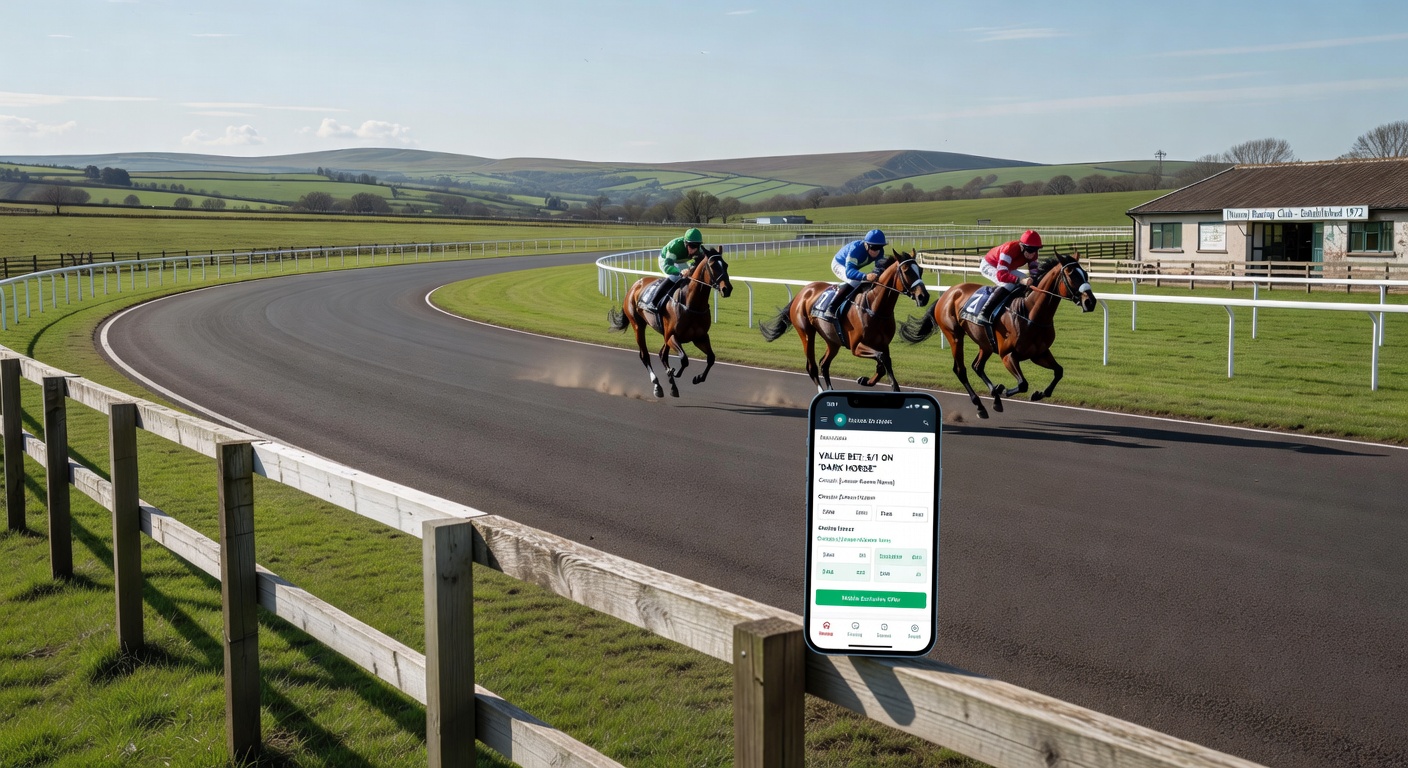
Those who have studied betting patterns at these venues point out that each-way terms and place markets sometimes carry more generous percentages than equivalent offerings at larger tracks, because liquidity remains thinner and bookmakers adjust margins accordingly. Mobile users can therefore construct small-stake combinations that incorporate runners from two or three regional meetings on the same afternoon, a tactic that spreads exposure while capitalizing on independent pricing decisions.
Data Patterns Reveal Value Windows
Historical performance records for horses that excel on tight left-handed circuits or on uphill finishes become easier to access through in-app databases, and trainers who target specific venues post repeated successes that algorithms now flag automatically. Figures released by the International Federation of Horseracing Authorities confirm that horses with prior course-and-distance wins at smaller British tracks outperform market expectations by an average of 4.2 percent over large samples. Bettors who cross-reference those metrics with current odds find opportunities that appear less frequently when attention concentrates on televised cards.
June 2026 brought an extended dry spell across northern England, which altered ground conditions at several lesser-known venues and prompted rapid adjustments in morning line prices visible on mobile screens. Users monitoring those changes placed wagers on runners suited to firmer surfaces before the official going reports updated, illustrating how real-time data flows reward attention to circuits that operate outside the main spotlight.
Regulatory Environment Supports Licensed Access
Operators must maintain geographic restrictions and responsible gambling tools, yet these requirements do not limit the range of regional meetings available to account holders. Licensed platforms continue to expand their coverage of fixtures at venues such as Southwell and Wolverhampton, where all-weather surfaces support year-round racing that mobile bettors can follow without interruption. Industry observers record that the proportion of wagers placed on these circuits through digital channels reached 23 percent of total racing turnover during the first half of 2026, up from 19 percent two years earlier.
Conclusion
Regional racing circuits in Britain supply a steady stream of fixtures that mobile platforms present alongside statistics and live pricing, creating measurable differences in how odds form compared with headline events. Bettors who incorporate course-specific data and trainer patterns into their selections operate within an environment where licensed apps deliver the necessary information streams, while regulatory oversight ensures consistent standards across operators. The structure of these markets continues to evolve as digital access widens, and the underlying fixture list remains intact for the remainder of the 2026 season.