Biometric Patterns Simplify Entry to Real-Time Wagering and Casino Play on Licensed British Mobile Platforms
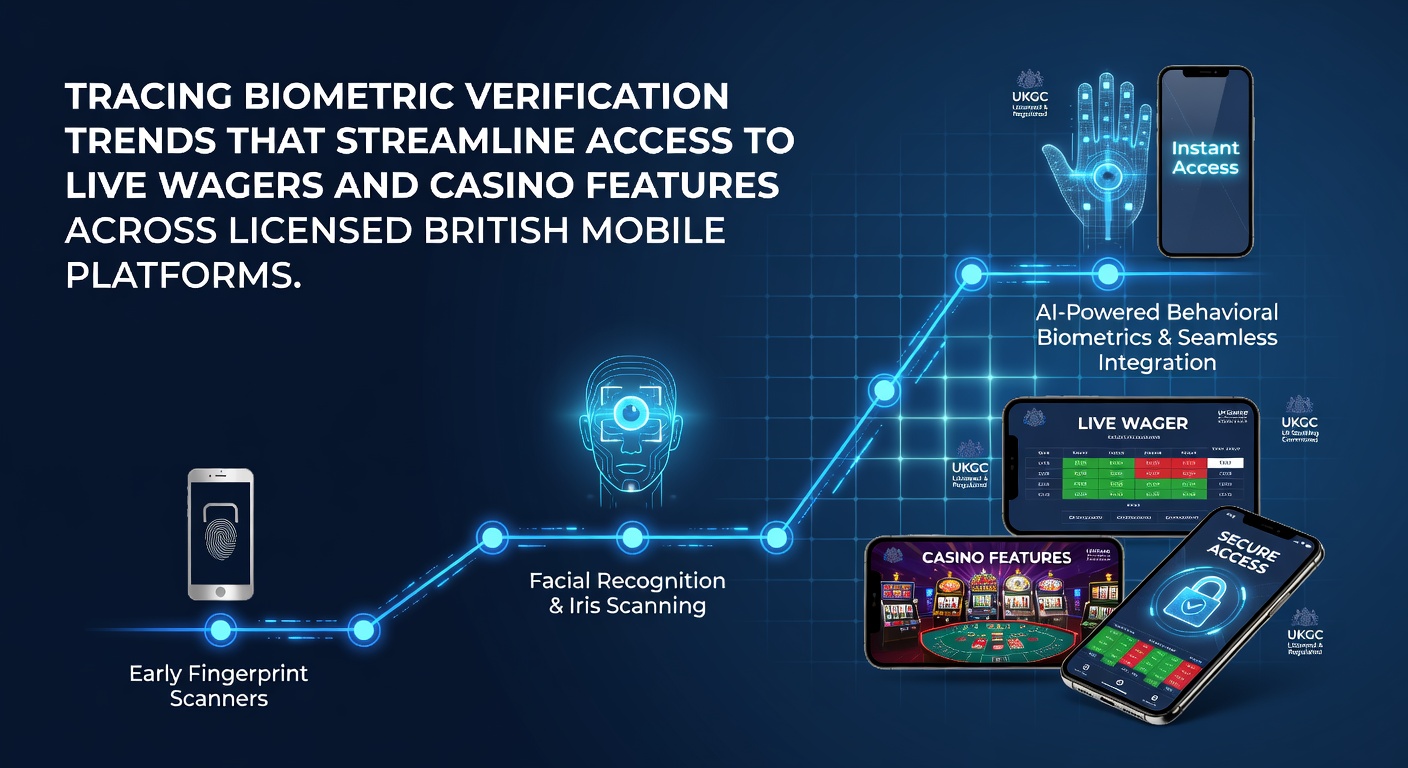
Biometric verification continues to reshape how users gain access to live wagers and casino features on licensed British mobile platforms, and data from industry reports indicate steady growth in adoption rates through 2026. Mobile operators integrate fingerprint scanning, facial recognition, and voice authentication to reduce login friction while maintaining compliance standards, and these systems allow bettors to move quickly from account entry to placing accumulator bets or spinning slots during major events.
Research from the University of Oxford's Internet Institute shows that biometric methods cut average authentication time by up to 70 percent compared with traditional passwords or SMS codes, and operators report higher session completion rates when users face fewer steps before reaching live odds or game lobbies. British platforms began rolling out widespread facial recognition updates in late 2025, and by May 2026 several major apps had expanded these tools to cover both sports betting and casino sections within the same interface.
Core Technologies Driving Faster Access
Fingerprint sensors remain the most common entry point on Android and iOS devices used for British gambling apps, while facial recognition gains ground because it works across newer handsets without extra hardware. Voice biometrics appear in select platforms for hands-free verification during live events, and developers combine these layers so that a single successful scan unlocks both sportsbooks and casino lobbies without repeated prompts. Observers note that multi-modal systems, which require two biometric checks under high-risk conditions, still process faster than legacy methods because they rely on device-native hardware rather than external servers.
One study released by the International Centre for Gaming Research found that users complete deposits and first bets 40 percent quicker after biometric setup, and operators track these gains through internal metrics that link reduced drop-off rates directly to streamlined verification flows. The same research highlights how passive liveness detection prevents spoofing attempts without adding visible delays for legitimate users.
Impact on Live Wagering and Casino Features
Live betting markets move quickly during Premier League matches or horse racing festivals, and biometric entry lets users adjust stakes or cash out positions before odds shift. Casino features such as live dealer tables and progressive jackpot slots also benefit because players remain logged in across longer sessions without repeated security interruptions. Data collected across multiple licensed operators shows peak usage spikes align with major sporting calendars, and biometric tools help maintain continuous access during those windows.
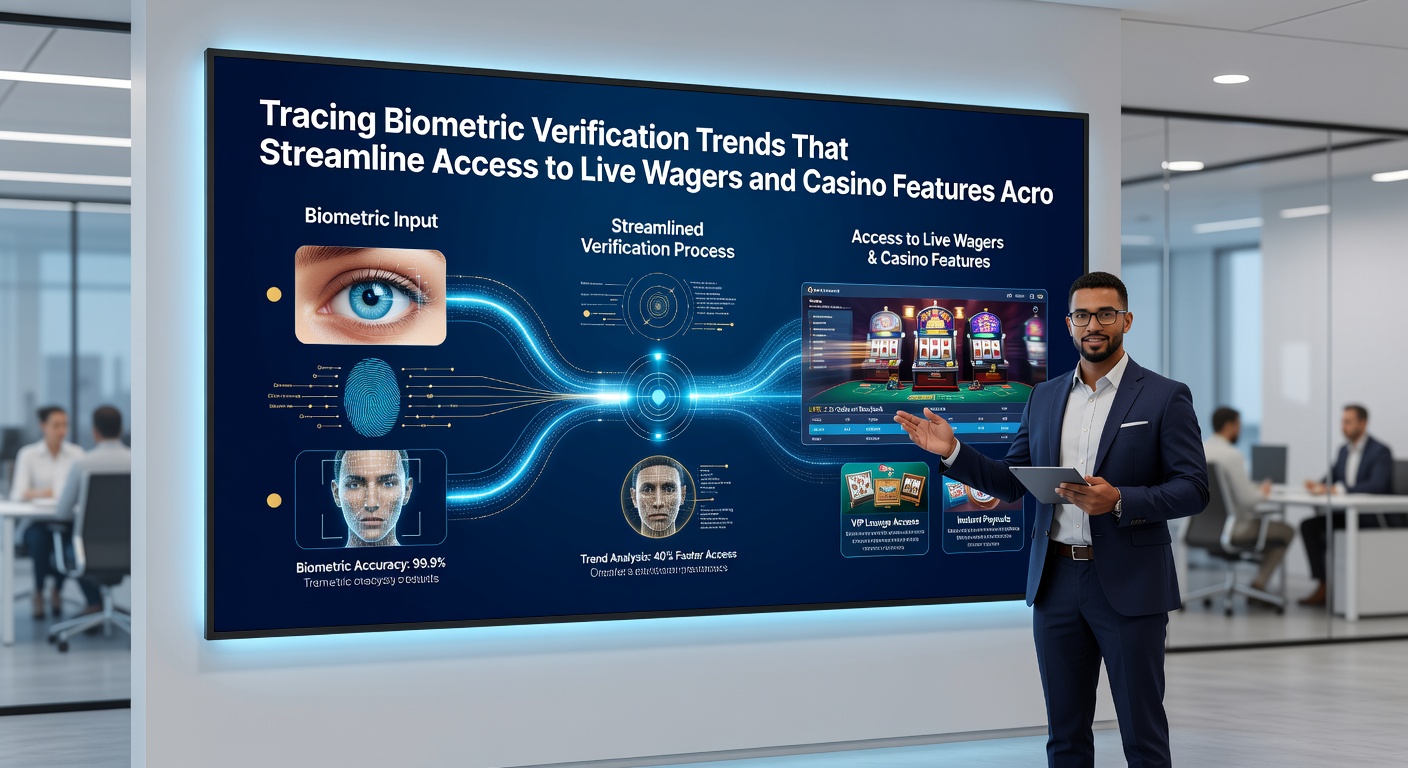
Platform analytics reveal that once biometric profiles are established, repeat logins rarely require full re-verification unless device changes or regulatory checks trigger additional layers. This pattern supports sustained engagement with in-play features, and operators report fewer abandoned carts when funding options appear immediately after the initial scan.
Regulatory and Security Context Across Regions
Although British platforms operate under specific licensing rules, similar biometric frameworks appear in other jurisdictions, and comparisons help explain current trends. The Australian Gambling Research Centre published findings in early 2026 that mirror British experiences, noting faster user retention when facial and fingerprint tools replace manual ID uploads. Meanwhile the National Council on Problem Gambling in the United States has examined how these same technologies support responsible play features without slowing entry to games.
Security updates rolled out in spring 2026 introduced improved encryption for biometric templates stored on devices rather than central servers, and this approach reduces exposure risks while preserving speed. Operators continue testing behavioral biometrics that monitor swipe patterns and device handling as background checks, and these additions trigger alerts only when anomalies appear.
Future Directions Observed by Industry Analysts
Hardware improvements in mid-range smartphones now support reliable facial recognition, which broadens access for users who previously relied on older devices. Software updates scheduled for later in 2026 aim to let biometric profiles transfer across multiple licensed apps through standardized APIs, and early trials indicate users appreciate the convenience of a single setup process. Observers track these developments because they coincide with rising mobile usage during evening and weekend peaks when live markets and casino promotions attract the most activity.
Technical white papers from equipment suppliers describe how infrared cameras enhance low-light performance for night-time betting sessions, and British operators have begun incorporating these capabilities into their latest app versions. The result is verification that works consistently regardless of environment, which supports uninterrupted play across both sports and casino verticals.
Conclusion
Biometric verification trends continue to streamline access to live wagers and casino features on licensed British mobile platforms through faster authentication, reduced friction, and improved security layers. Data from multiple research bodies confirm measurable gains in session completion and user retention, and ongoing hardware and software advances point toward even tighter integration by the end of 2026. These developments reflect broader patterns in mobile technology adoption that operators monitor closely to maintain efficient, compliant experiences for their users.