Betting's Quiet Pivot: How Affiliate Tracking Data Shapes Bonus Customization on British Platforms
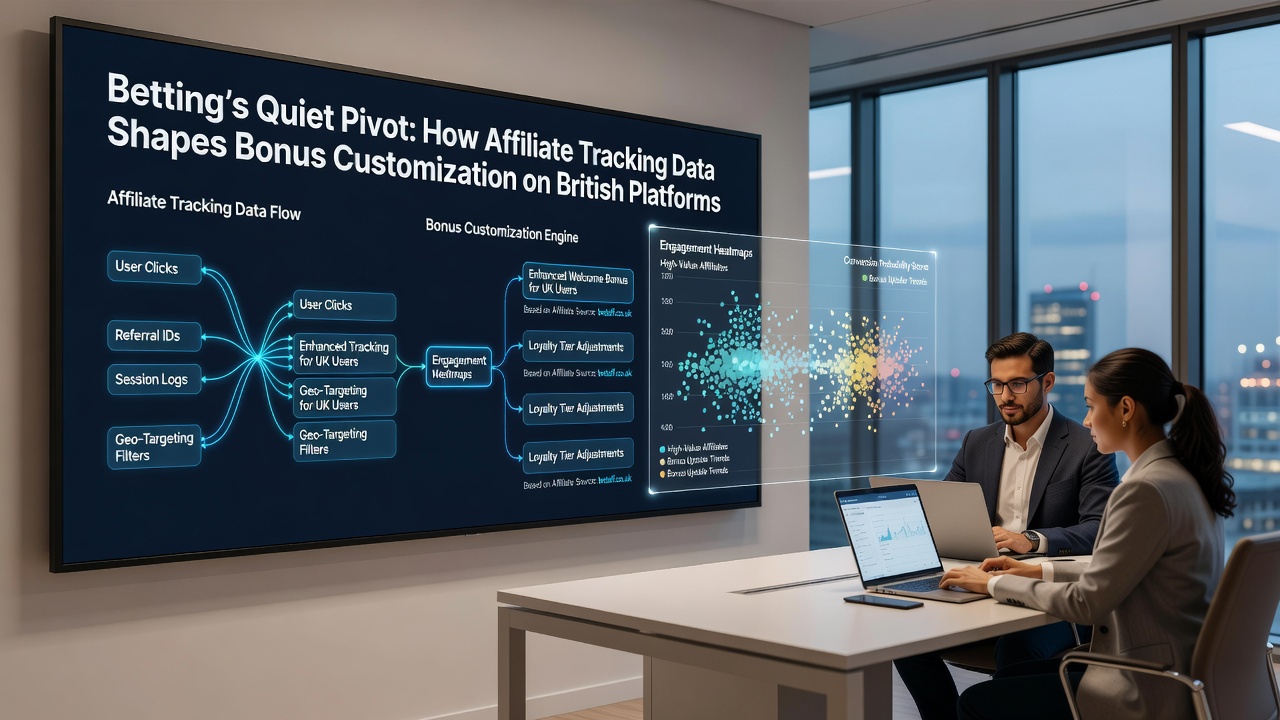
Betting platforms across Britain have shifted toward finer personalization of promotional offers, and affiliate tracking systems now supply much of the underlying data that drives those adjustments. Affiliates gather information on user acquisition paths through cookies, pixels, and referral codes, then pass aggregated patterns to operators who adjust bonus structures accordingly. This process has accelerated in 2026 as mobile traffic dominates new sign-ups, and operators seek to align incentives with observed deposit and wagering behaviors from different traffic sources.
Affiliate Data Streams and Collection Methods
Tracking begins when a user clicks an affiliate link, at which point unique identifiers record the source, device type, and initial navigation path. Over subsequent sessions operators combine this information with deposit frequency, average stake size, and game preferences to segment audiences. Data shows that traffic arriving through sports-focused affiliate sites tends to deposit more on weekends, while casino-oriented affiliates generate steadier weekday activity. Operators therefore calibrate free bet values or wagering requirements to match these rhythms rather than applying uniform offers site-wide.
Third-party measurement platforms further refine these insights by attributing lifetime value estimates to each cohort. One operator that partnered with multiple affiliate networks in early 2026 reported that users acquired via comparison sites showed higher retention when offered staggered deposit bonuses, whereas direct search traffic responded better to instant free spins. Such differentiation relies on continuous data feeds that update segmentation models weekly.
Customization Practices on British Sites
Operators translate tracking outputs into tailored welcome packages and reload promotions. A user arriving from a horse-racing affiliate might receive an enhanced each-way bonus, while a football-focused referral sees an accumulator boost instead. These adjustments occur through automated rules engines that reference the original affiliate tag attached to the account. July 2026 data from several large British platforms indicated that customized offers lifted first-month deposit rates by noticeable margins compared with generic campaigns, although exact figures vary by traffic vertical.

Retention mechanics also draw on the same datasets. When tracking reveals that a cohort reduces activity after the initial welcome period, operators trigger targeted reload offers or cashback tiers calibrated to that group's historical spend. This approach avoids blanket promotions that might reach users already engaged through other channels, thereby concentrating marketing spend where response rates remain highest.
Technical Infrastructure and Compliance Considerations
Behind the scenes, real-time APIs connect affiliate platforms to operator customer relationship management systems. When a tagged user logs in, the system retrieves the acquisition profile and applies the corresponding bonus logic without manual intervention. Data protection requirements under the UK GDPR and parallel frameworks in other jurisdictions oblige operators to document consent flows and limit data retention periods. A European Gaming and Betting Association report published in spring 2026 noted that platforms increasingly store only hashed identifiers rather than full behavioral logs to balance personalization with regulatory expectations.
Cross-border traffic adds another layer. Users referred from international affiliate sites may trigger different bonus parameters based on their originating jurisdiction's responsible gambling standards. Operators therefore maintain separate rule sets for UK and non-UK acquired accounts, even when both groups access the same platform.
Industry Examples and Measurement Outcomes
Take one mid-sized British operator that integrated granular affiliate tags in late 2025. Within six months the platform observed that users from poker strategy affiliates converted at higher rates when presented with tournament ticket bundles rather than standard deposit matches. Another case involved a casino-heavy affiliate network whose referred players showed elevated slot activity; the operator responded by adjusting free spin quantities and expiry windows accordingly. These experiments rely on A/B testing frameworks that isolate the impact of each customization variable while holding creative and channel factors constant.
Measurement relies on attribution windows that extend from 30 to 90 days depending on the affiliate agreement. Longer windows capture delayed deposits but introduce noise from subsequent marketing touches. Platforms therefore weight early-session behavior more heavily when determining initial bonus eligibility.
Conclusion
Affiliate tracking has become a central input for bonus customization on British betting platforms, enabling operators to align offers with the acquisition source and observed user patterns. As of July 2026 the infrastructure supporting these adjustments continues to evolve through tighter API integrations and refined segmentation models. A University of Sydney study on digital marketing attribution highlights similar trends in other regulated markets, underscoring the global nature of the shift. The result is a more granular promotional landscape where each traffic source receives incentives shaped by its own performance data rather than a single default structure.