Analytics Innovations Strengthening Risk Evaluation Frameworks for UK Online Gambling Operators
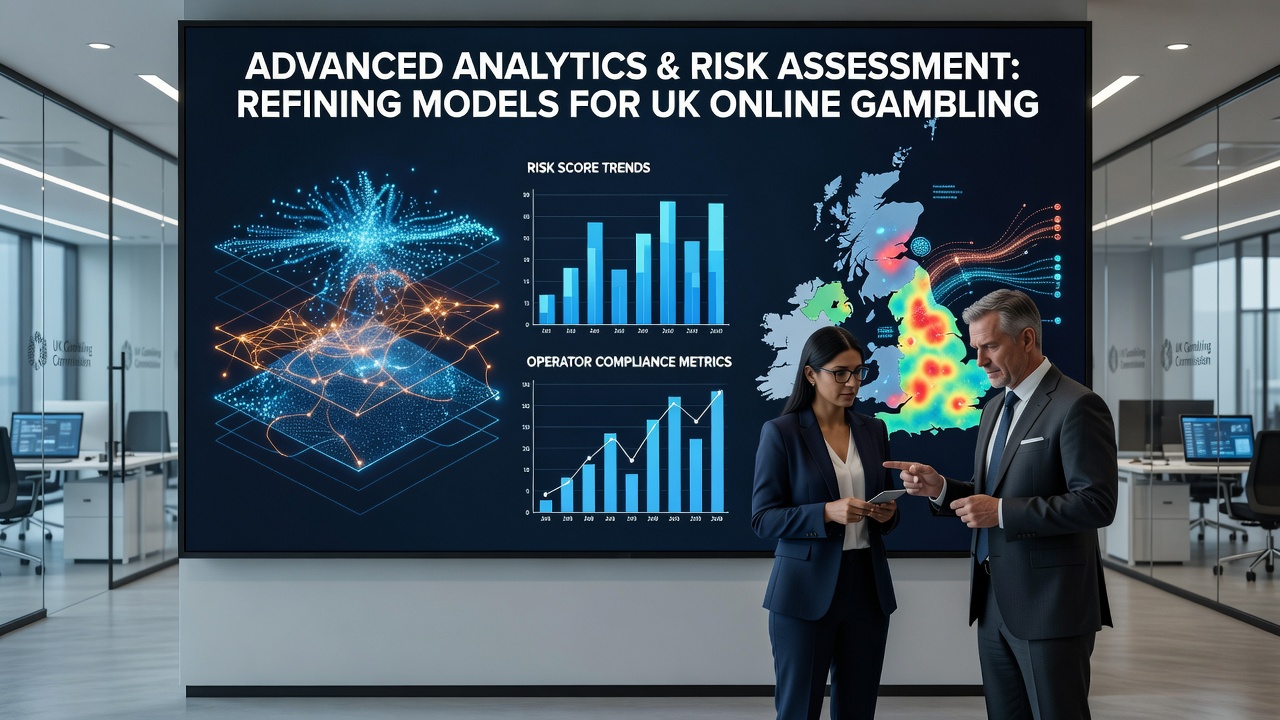
Operators across the United Kingdom have shifted toward sophisticated analytical systems that process vast datasets in real time, allowing more precise identification of potential risks before they escalate. These platforms combine transaction histories, behavioral signals, and external indicators to build dynamic profiles that evolve with each user interaction, and the approach has gained traction since early 2025 as technology providers delivered scalable cloud solutions tailored to regulatory demands.
From Static Rules to Dynamic Modeling
Traditional risk assessment relied on fixed thresholds and periodic manual reviews that often lagged behind emerging patterns in player activity. Data indicates that many firms began replacing these rigid structures with machine learning algorithms capable of detecting subtle anomalies across millions of sessions, while researchers at the University of Nevada's International Gaming Institute documented similar transitions in other mature markets where predictive models reduced false positives by measurable margins. The transition accelerated because legacy systems struggled to handle the volume generated by mobile platforms that now dominate session starts.
Core Technologies Driving the Shift
Supervised learning models trained on historical incidents now flag accounts exhibiting rapid deposit escalations or unusual session durations, and unsupervised clustering techniques group users by shared risk traits without requiring labeled outcomes. Natural language processing scans chat logs and support interactions for indicators of distress, whereas graph analytics map connections between accounts to uncover coordinated manipulation attempts. As of July 2026 several providers integrated these layers into unified dashboards that update continuously, enabling compliance teams to intervene at the earliest detectable stage rather than after losses accumulate.
What's interesting is how real-time streaming architectures feed fresh data into these models every few seconds, creating feedback loops that refine accuracy without manual recalibration. External data sources, including credit reference agencies and public records, add context that pure internal metrics cannot supply, and operators report that combining these inputs produces risk scores with higher resolution than earlier generations of software achieved.
Implementation Patterns Observed in Practice
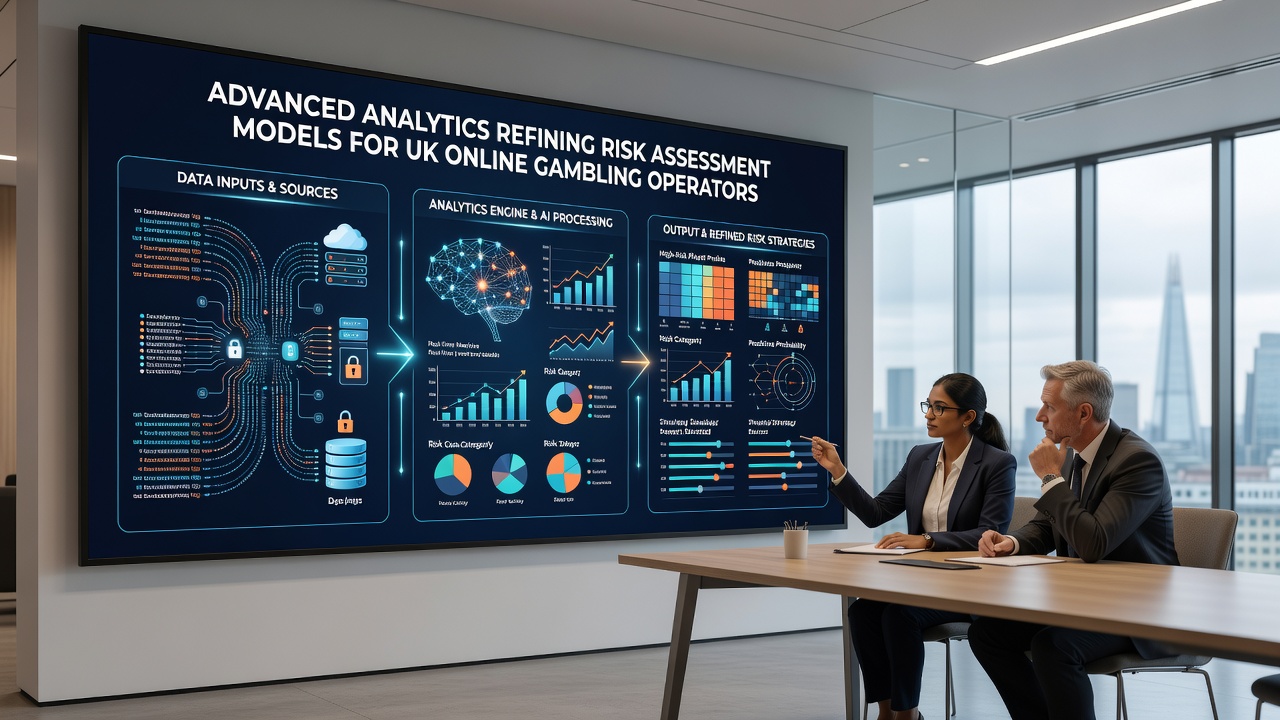
One large operator introduced a multi-model ensemble that cross-validates outputs from separate algorithms before triggering any automated action, and the method cut unnecessary account restrictions while maintaining detection rates for high-risk behavior. Another firm layered reinforcement learning on top of existing systems so the models could adjust thresholds based on observed intervention outcomes, producing measurable improvements in customer retention alongside risk mitigation. Observers note that smaller operators often adopt modular SaaS offerings that embed these capabilities without requiring in-house data science teams, allowing them to match larger competitors in analytical depth.
Integration With Broader Compliance Ecosystems
Advanced analytics platforms now interface directly with age-verification services and payment processors, creating seamless data flows that eliminate gaps between identification checks and ongoing monitoring. According to figures from the Australian Institute of Criminology, comparable integrations in other jurisdictions have correlated with faster identification of suspicious funding sources, and UK operators have adopted parallel architectures that draw on similar principles. The result is a more cohesive environment where risk signals propagate across departments without manual handoffs, reducing response times from days to minutes in many documented cases.
Yet the expansion of these tools also surfaces questions around data governance and model explainability, prompting firms to invest in audit trails that document every algorithmic decision. Academic papers from the Canadian Centre on Substance Use and Addiction highlight the value of transparent model documentation when regulators review automated processes, and several UK operators have incorporated those recommendations into their internal governance frameworks. Training datasets undergo regular bias audits to prevent unintended discrimination against specific demographic segments, while third-party validators periodically test model performance against hold-out data.
Future Trajectories and Industry Benchmarks
Industry reports project continued growth in the adoption of graph neural networks that capture relational patterns across player networks, and early adopters already cite gains in identifying linked accounts used for bonus abuse. The same systems show promise in forecasting aggregate portfolio volatility during major sporting events, giving operators advance visibility into liquidity requirements. Partnerships between gambling firms and specialist analytics vendors have produced shared benchmarking datasets that allow participants to compare model efficacy without exposing proprietary information, and these consortia continue to expand membership.
Conclusion
Advanced analytics have moved from experimental pilots to core infrastructure within UK online gambling operations, reshaping how risk is quantified and managed at every scale. Continuous model refinement, integration with external data streams, and emphasis on explainability now define best practice across the sector, supported by evidence from multiple international research bodies. As computational capabilities advance and datasets grow richer, the precision of these risk assessment frameworks is expected to increase further, delivering more targeted interventions while supporting sustainable business operations.