Advancements in Mobile User Interfaces Boosting Live Sports Wagering in the UK
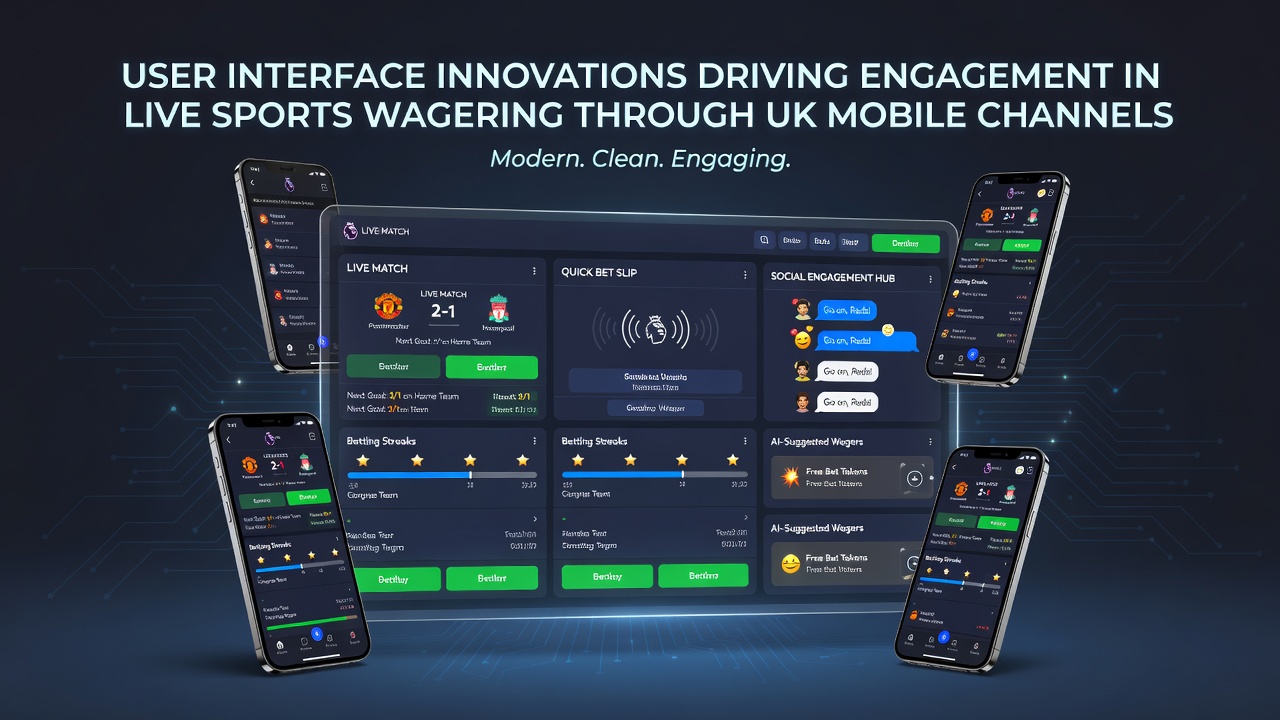
Smartphone interfaces have evolved rapidly since the mid-2010s and by June 2026 these changes continue to shape how users interact with live sports wagering platforms across the UK. Developers integrate gesture controls, dynamic data visualizations, and personalized dashboards that respond to individual betting patterns, while data from industry observers shows increased session durations when these features appear in apps.
Designers prioritize fluid navigation so bettors can switch between multiple events without reloading screens or losing context, and studies from research institutions indicate that reduced friction in these transitions correlates with higher repeat engagement rates. Voice command options have also entered mainstream apps, allowing hands-free adjustments to stakes during matches, and reports from the Interactive Gaming Council note that such accessibility tools broaden participation among users who multitask during events.
Gesture-Based Controls and Real-Time Feedback Loops
Many platforms now employ swipe and pinch gestures to adjust bet parameters on the fly, which replaces older menu-driven systems and shortens the time between decision and placement. Observers note that these controls integrate with live score feeds so odds update instantaneously, and external data from the American Gaming Association reveals similar patterns in other markets where gesture interfaces have lifted transaction volumes during peak match periods.
Heatmap overlays on player performance visuals provide another layer, highlighting statistical trends without requiring users to leave the main betting screen, while developers test haptic responses that confirm actions through subtle vibrations. Those who've examined usage logs find that such sensory cues help maintain focus amid fast-moving game situations.
Personalization Algorithms and Dashboard Adaptability
Algorithms track previous selections and surface tailored recommendations within milliseconds of app launch, grouping events by sport, league, and time slot according to past activity. Research from the Australian Gambling Research Centre indicates that users exposed to these adaptive layouts tend to explore more markets per session compared with static interfaces, though exact figures vary by demographic.
Dark mode toggles and adjustable font sizes further accommodate different viewing environments, from bright stadium lighting to low-light commutes, and integration with device sensors automatically shifts layouts when orientation changes. Experts have observed that these responsive elements reduce bounce rates during live events where attention spans fluctuate.
Multi-Event Viewing and Integrated Data Streams
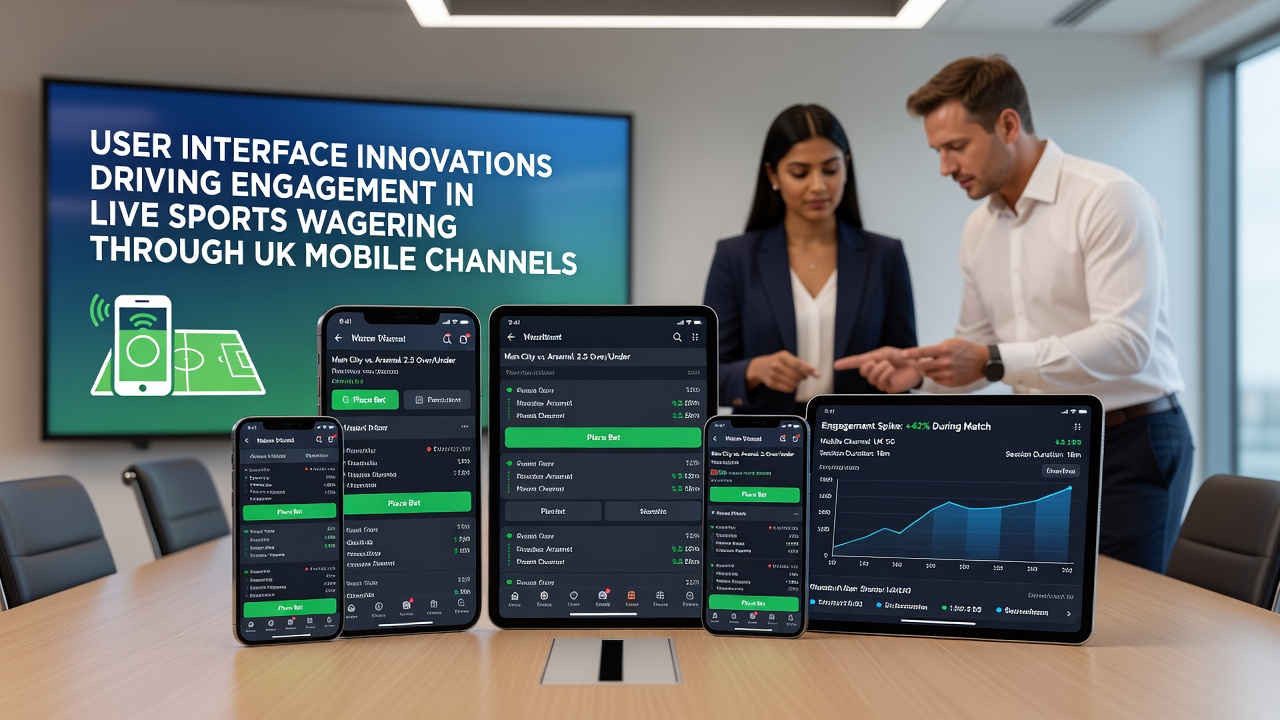
Split-screen capabilities allow simultaneous tracking of several matches, with drag-and-drop functionality to rearrange windows based on priority, and this setup proves especially useful during tournament weekends when overlapping fixtures occur. Industry reports highlight that embedded statistics panels update without interrupting the primary wager interface, delivering context such as possession percentages or injury reports directly alongside odds.
Push notification systems have refined their timing algorithms to avoid overload, delivering alerts only when predefined thresholds like score changes or odds movements are met, while users retain granular control over which categories trigger messages. Data compiled by Canadian regulatory bodies shows measurable upticks in active accounts when notification customization reaches high adoption levels.
Security Features Embedded in Interface Design
Biometric authentication appears at key checkpoints within the flow rather than as separate barriers, streamlining login while maintaining compliance standards, and two-factor prompts integrate seamlessly into the betting sequence without forcing full exits. Researchers have documented that these layered approaches maintain user flow better than interruptive verification steps common in earlier versions.
Transaction histories display in collapsible timelines that users can filter by date or sport, aiding quick reviews before placing new wagers, and color-coded risk indicators flag unusual patterns without halting activity. Observers note continued refinement of these visual cues as platforms respond to evolving regulatory expectations through mid-2026.
Conclusion
Interface innovations continue to influence engagement metrics in UK mobile sports wagering, with ongoing refinements in gesture systems, personalization, and data integration shaping user experiences. Figures from multiple international sources demonstrate that platforms adopting these elements register sustained activity levels, and developers maintain focus on balancing convenience with responsible design principles as the market matures.